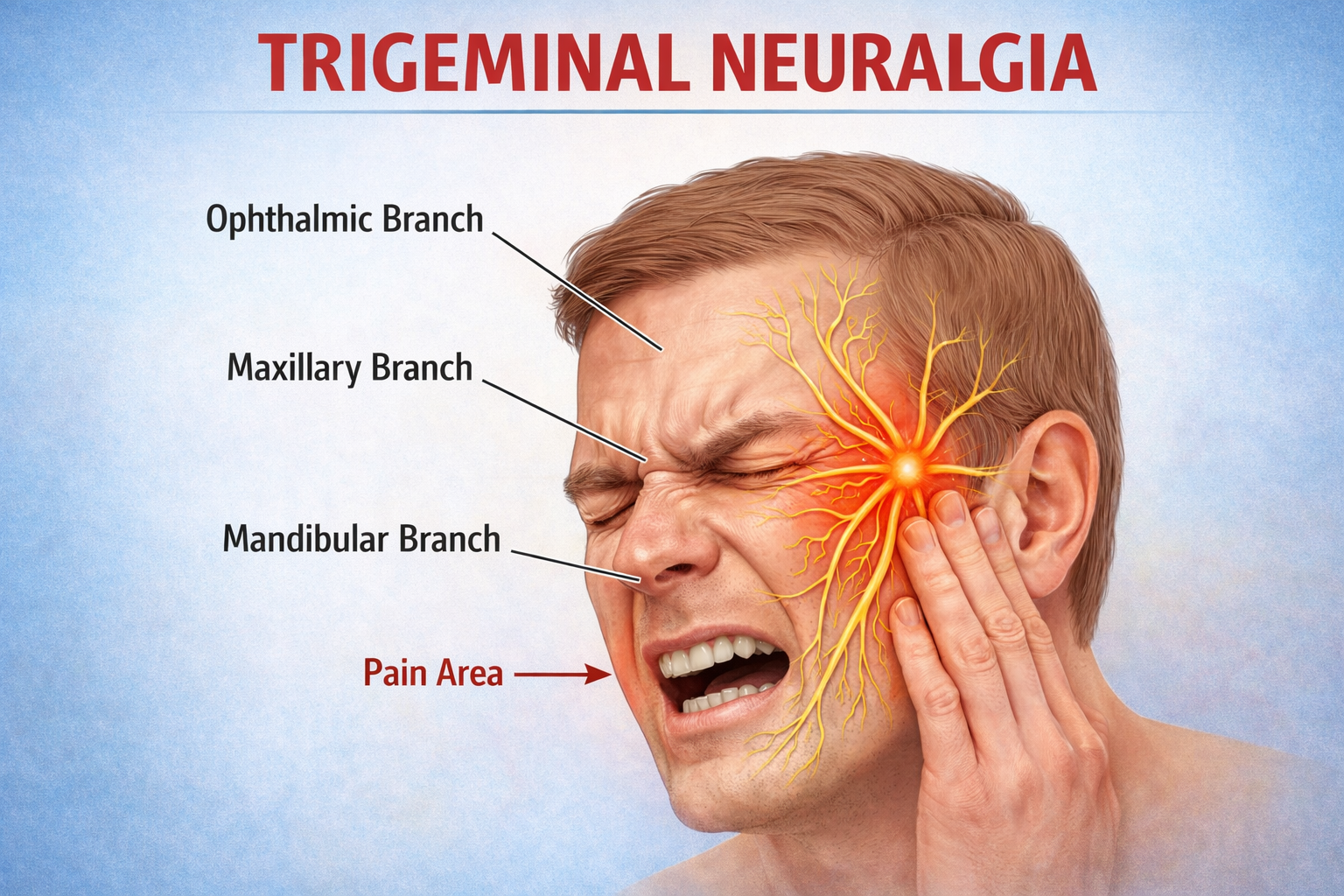

Trigeminal Neuralgia: Causes, Symptoms, and Non-Surgical Treatment Options
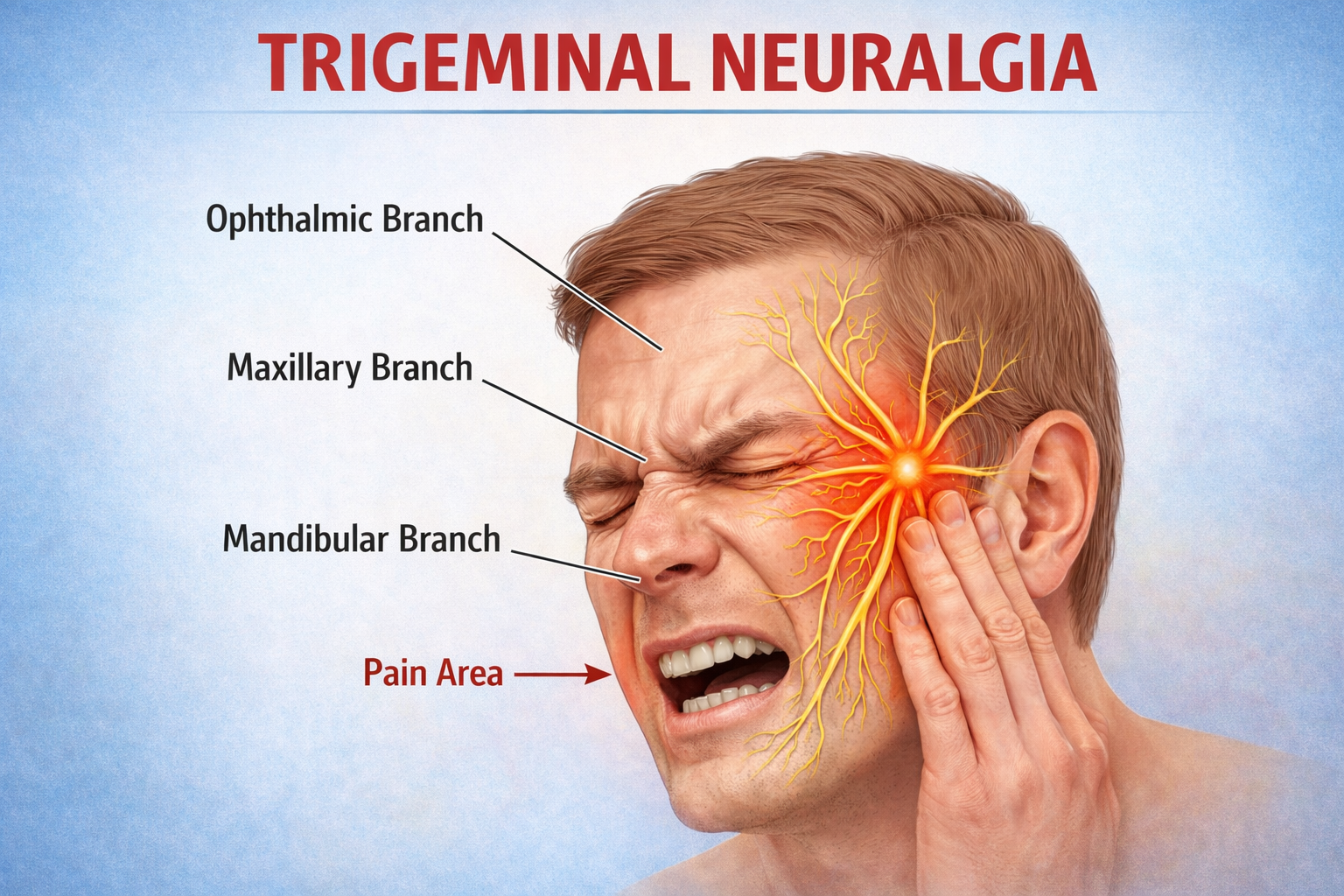
Trigeminal Neuralgia is a chronic nerve pain condition often described as one of the most severe facial pain disorders. It causes sudden, sharp, electric-shock-like pain on one side of the face, affecting daily activities such as talking, eating, brushing teeth, and even smiling. With early diagnosis and modern interventional treatments, many patients can achieve significant pain relief without major surgery.
What Is Trigeminal Neuralgia?
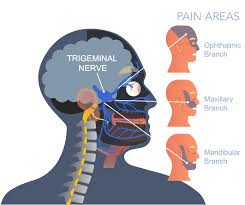
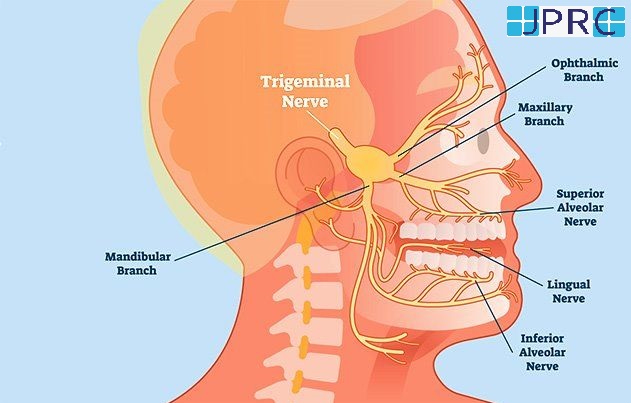
Trigeminal Neuralgia (TN) is a neurological condition that affects the trigeminal nerve, which is responsible for sensation in the face. When this nerve becomes irritated or compressed—often by a nearby blood vessel—it sends abnormal pain signals to the brain, resulting in intense facial pain episodes.
This condition is also known as tic douloureux and typically affects adults over 40, although it can occur at any age.
Common Causes of Trigeminal Neuralgia
Trigeminal neuralgia can develop due to several underlying factors, including:
-
Nerve compression by blood vessels
-
Multiple sclerosis (MS)
-
Tumors pressing on the trigeminal nerve
-
Facial or dental trauma
-
Previous facial or brain surgery
-
Inflammation or nerve damage
Symptoms to Watch For
Patients with trigeminal neuralgia may experience:
-
Sudden, severe facial pain (electric shock or stabbing sensation)
-
Pain triggered by light touch, chewing, brushing teeth, or speaking
-
Episodes lasting seconds to minutes
-
Pain usually on one side of the face
-
Pain-free intervals between attacks
Diagnosis
Accurate diagnosis is essential for effective treatment. It may include:
-
Detailed neurological examination
-
Medical history review
-
MRI scan to detect nerve compression, tumors, or multiple sclerosis
Non-Surgical Treatment Options
Many patients find relief through conservative and interventional pain management techniques, including:
1. Medications
-
Anticonvulsants (e.g., carbamazepine, oxcarbazepine)
-
Muscle relaxants
-
Pain-modulating drugs
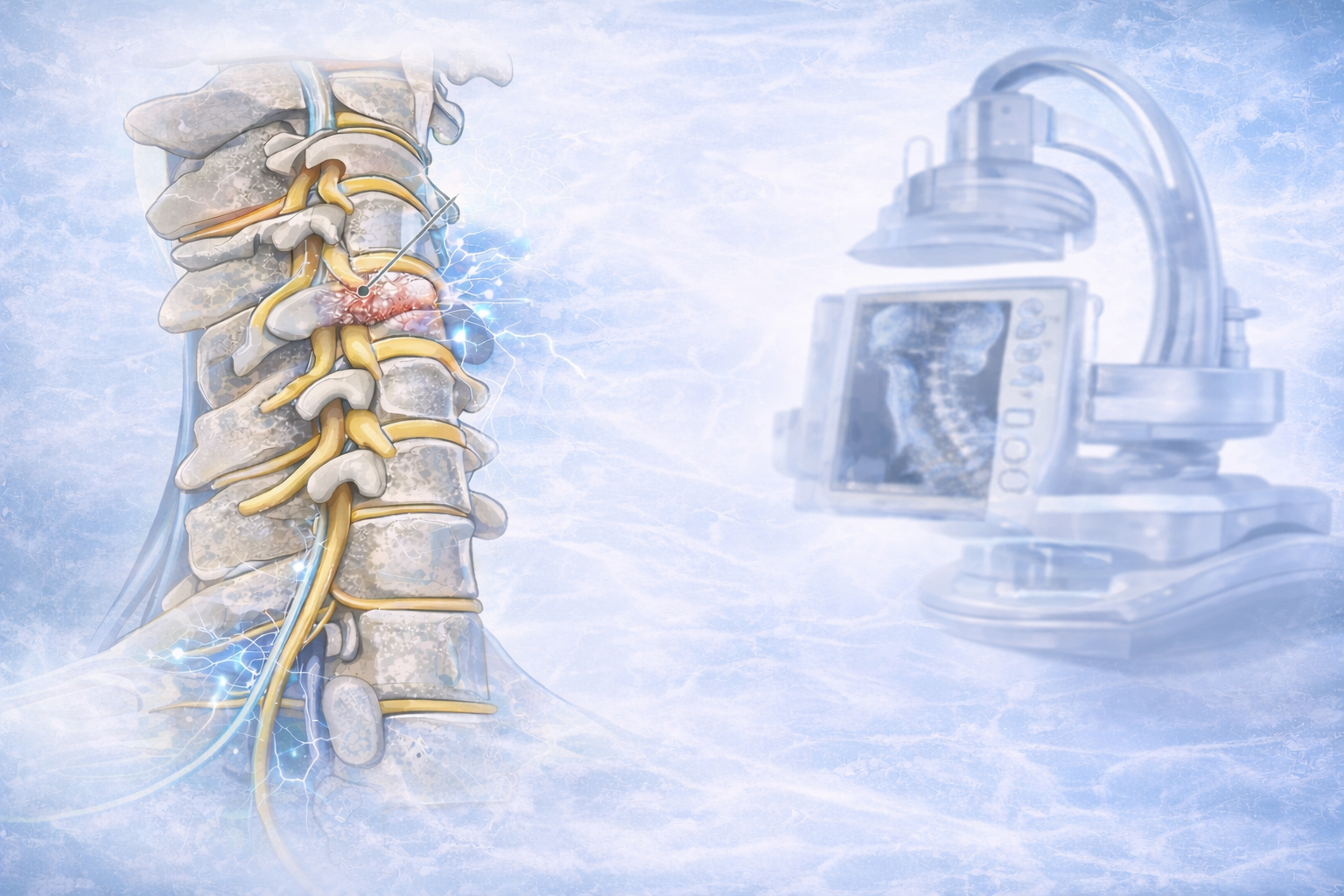
2. Interventional Pain Procedures
-
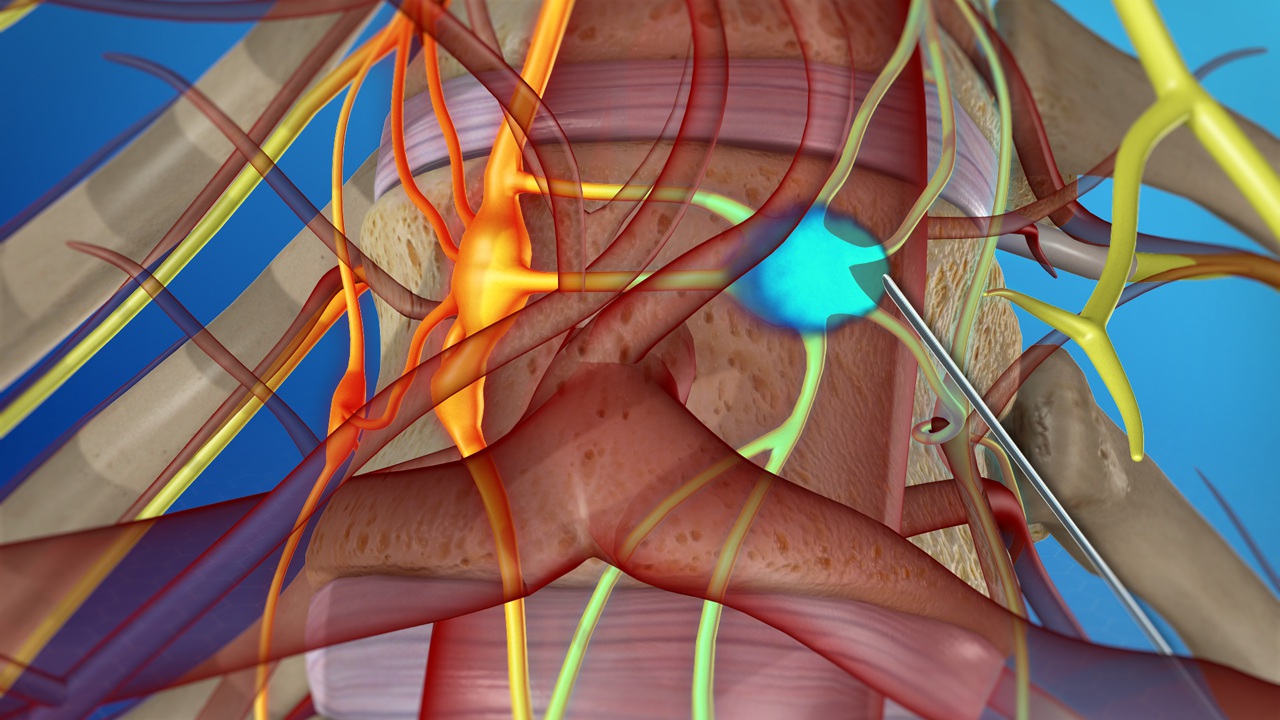
Nerve blocks
-
Radiofrequency ablation (RFA)
-
Balloon compression
-
Glycerol rhizotomy
-
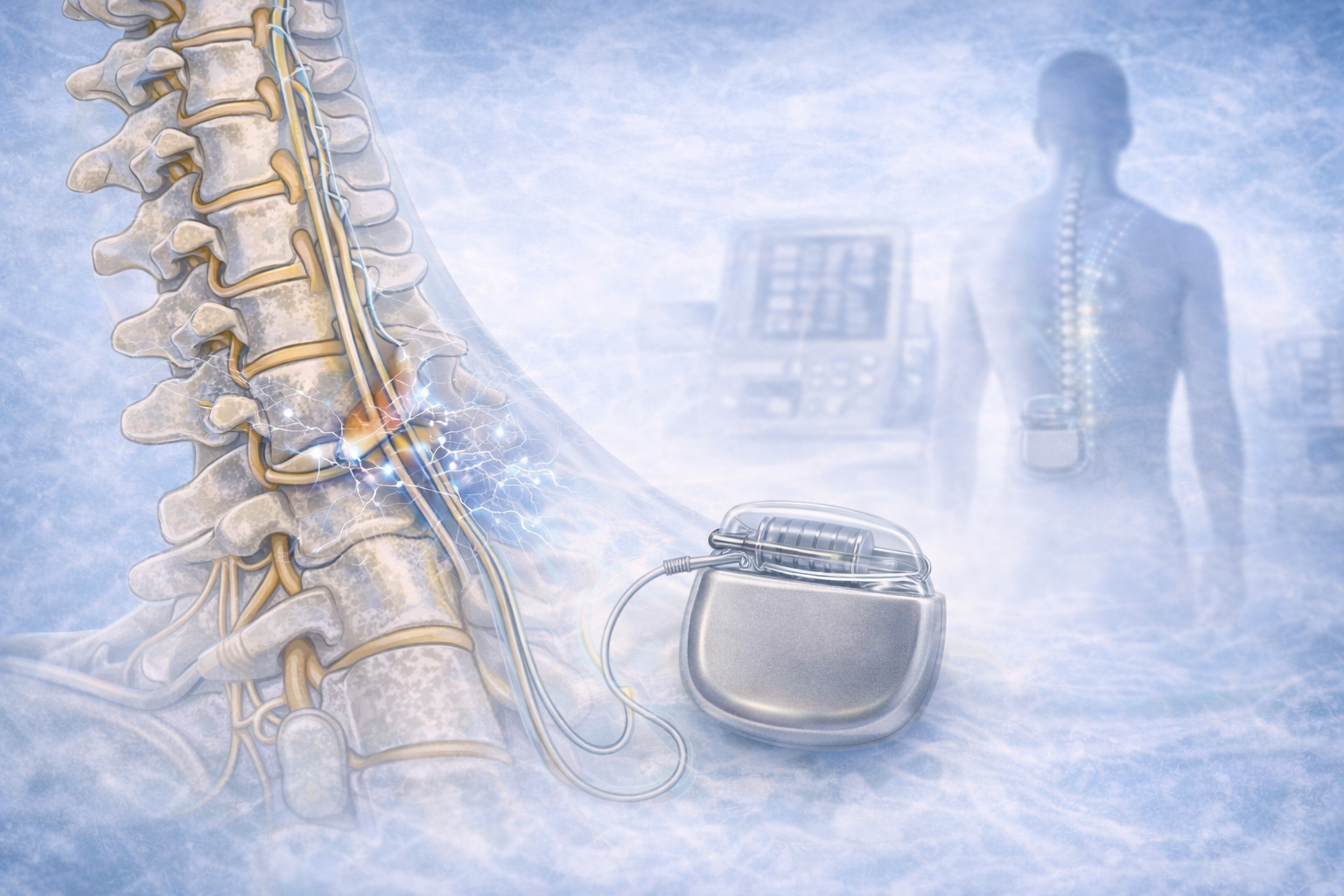
Neuromodulation techniques
These procedures aim to interrupt abnormal pain signals and provide long-term relief with minimal invasion.
When Is Surgery Considered?
Surgery is typically reserved for patients who do not respond to medications or interventional procedures. Surgical options include:
-
Microvascular decompression (MVD)
-
Stereotactic radiosurgery (Gamma Knife)
A thorough evaluation by a neurology or neurosurgery specialist is essential before proceeding with surgical intervention.
Trigeminal Neuralgia vs. Facial Pain Disorders
| Feature | Trigeminal Neuralgia | Other Facial Pain |
|---|---|---|
| Pain Type | Electric shock-like | Dull, aching |
| Triggers | Touch, chewing, speaking | Constant or activity-based |
| Duration | Seconds to minutes | Hours to days |
| Response to Medication | Often good | Variable |
Prevention and Lifestyle Tips
While trigeminal neuralgia cannot always be prevented, certain measures may help reduce triggers:
-
Avoid extreme cold exposure on the face
-
Maintain good oral and facial hygiene
-
Manage stress levels
-
Follow prescribed medications regularly
Conclusion
Trigeminal Neuralgia is a highly treatable facial pain condition when managed with early diagnosis and modern interventional techniques. Many patients achieve long-term relief through non-surgical treatments, improving quality of life and daily function.
If you experience recurring facial pain, consult a neurology or interventional pain specialist to explore personalized treatment options.






































.jpg)









_Injection_Description_in_Hindi.jpg)











.jpg)








.jpg)


.jpg)
.jpg)
.jpg)






.jpg)
.jpg)
.jpg)
.jpg)
.jpg)
.jpg)
.jpg)
.jpg)
.jpg)
.jpg)
.jpg)
.jpg)
.jpg)
.jpg)
.jpg)
.jpg)
.jpg)
.jpg)
.jpg)
.jpg)
.jpg)
.jpg)







1.jpg)
1.jpg)
1.jpg)
1.jpg)
1.jpg)
1.jpg)
1.jpg)








2.jpg)
3.jpg)



4.jpg)
1.jpg)
2.jpg)

5.jpg)
6.jpg)


7.jpg)
2.jpg)

8.jpg)

9.jpg)
3.jpg)

10.jpg)

11.jpg)


12.jpg)
4.jpg)