
Spinal Cord Stimulation (SCS): A Non-Surgical Solution for Chronic Back and Nerve Pain
Spinal Cord Stimulation (SCS): A Non-Surgical Solution for Chronic Back and Nerve Pain
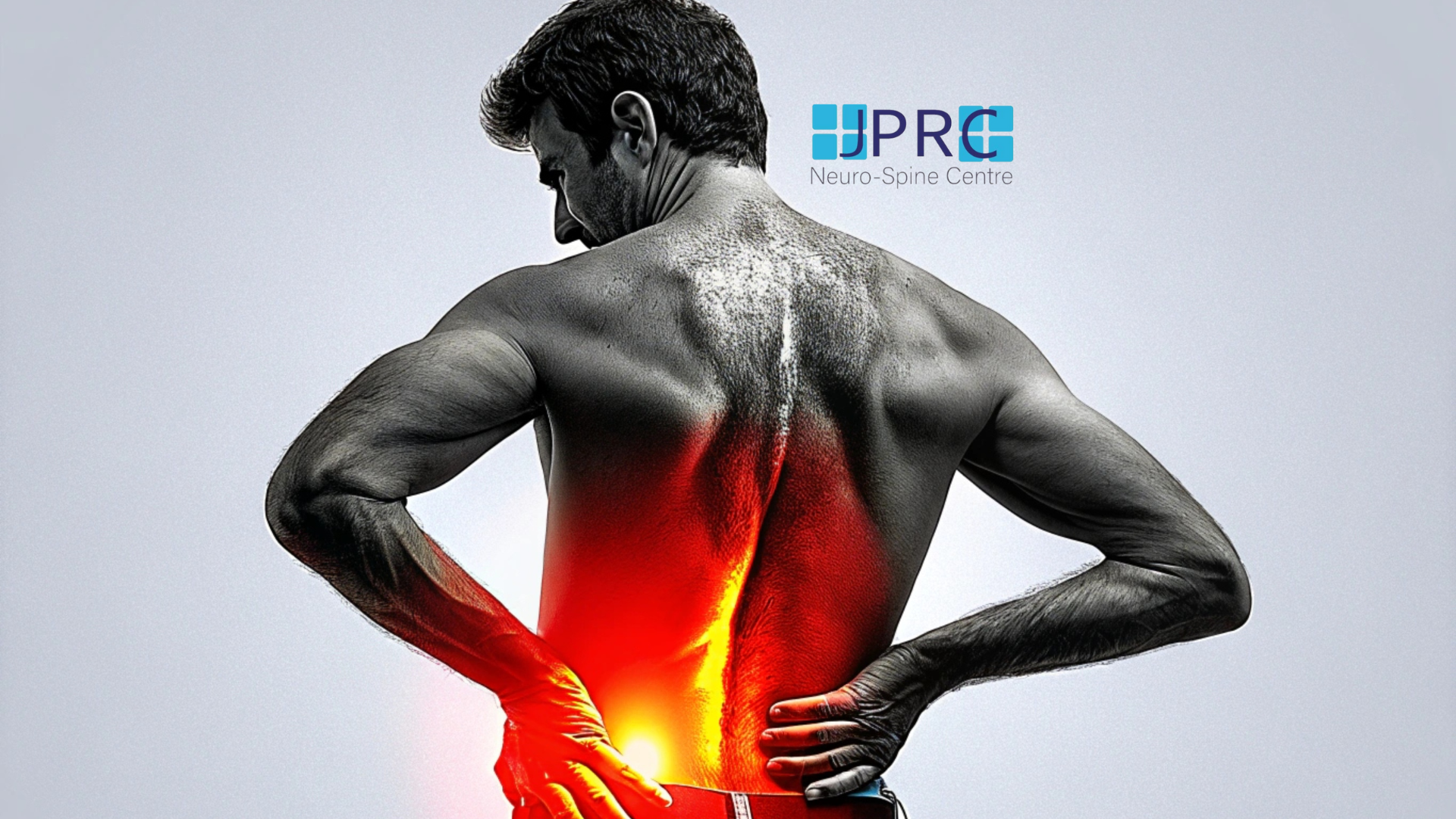
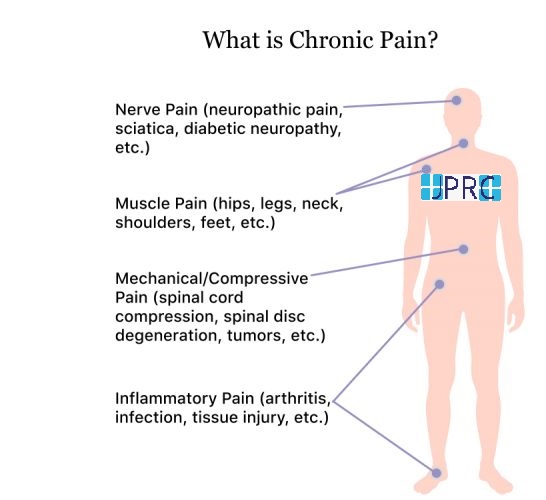
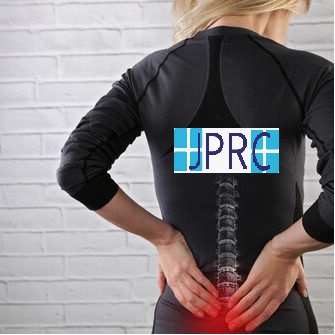
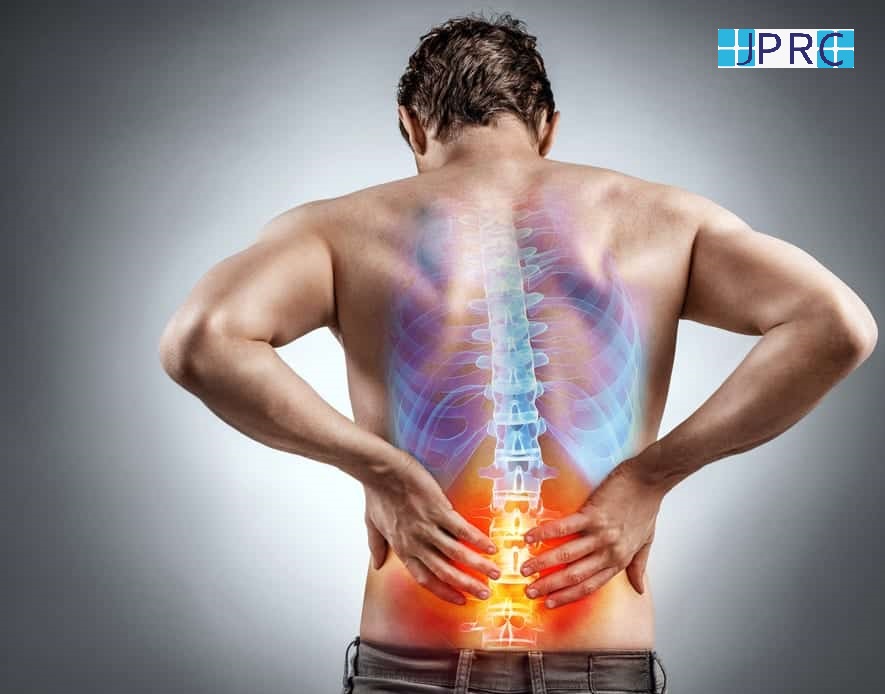
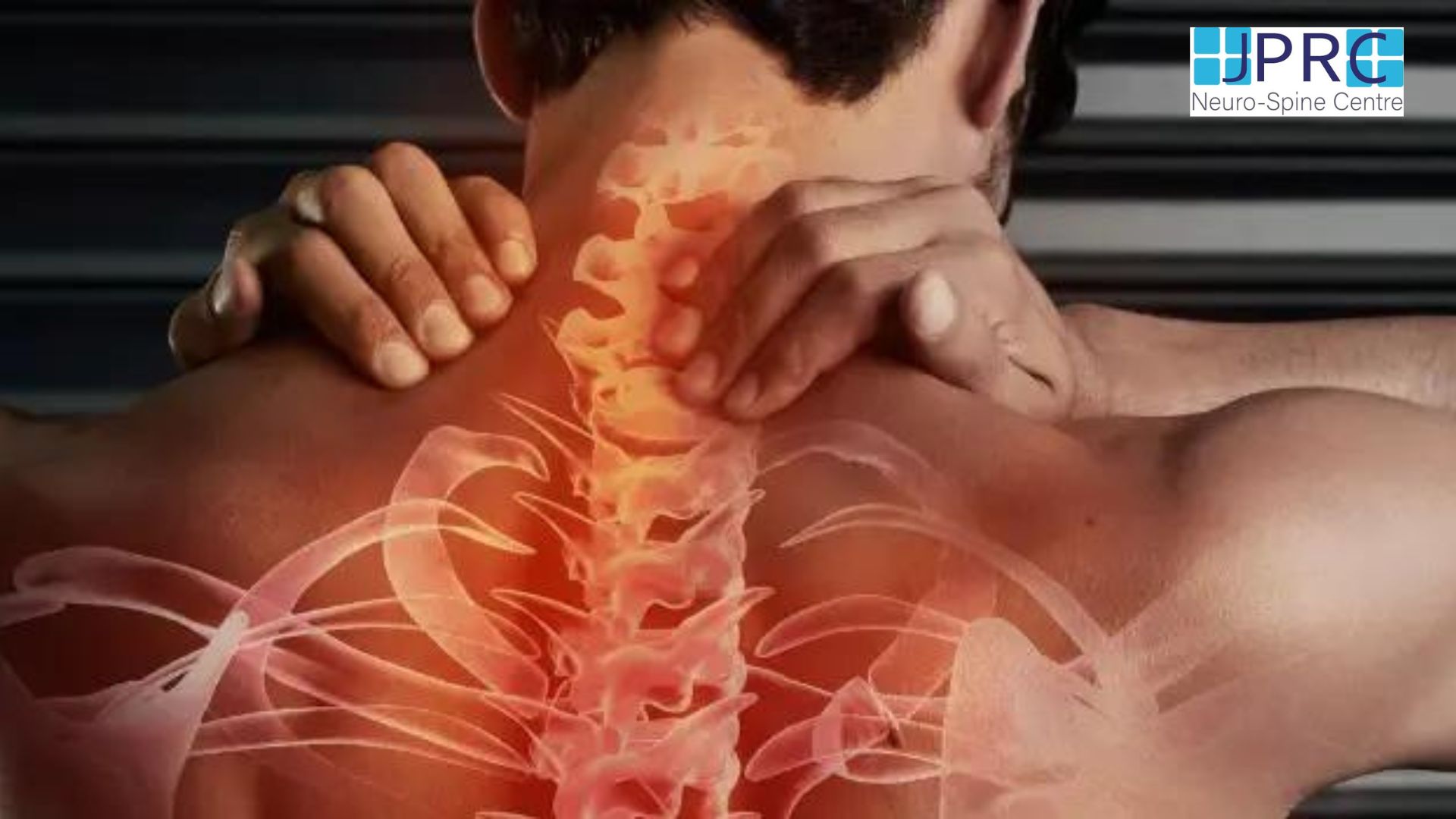
Chronic back pain and persistent nerve pain can severely limit daily activities and quality of life. When medications, physiotherapy, and standard injections fail to provide long-term relief, Spinal Cord Stimulation (SCS) offers an advanced, minimally invasive, non-surgical treatment option designed to manage pain at its source.
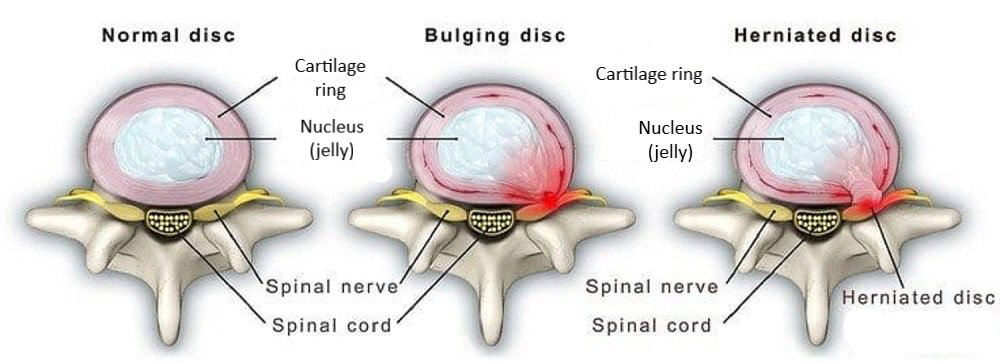
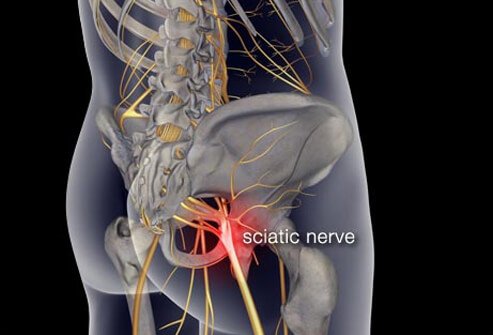
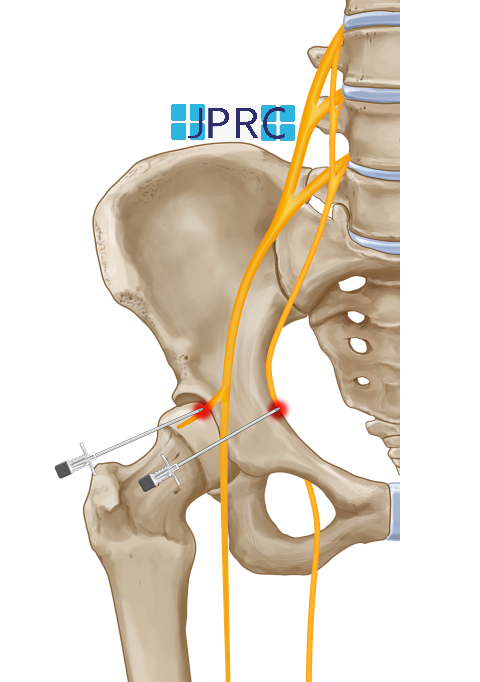
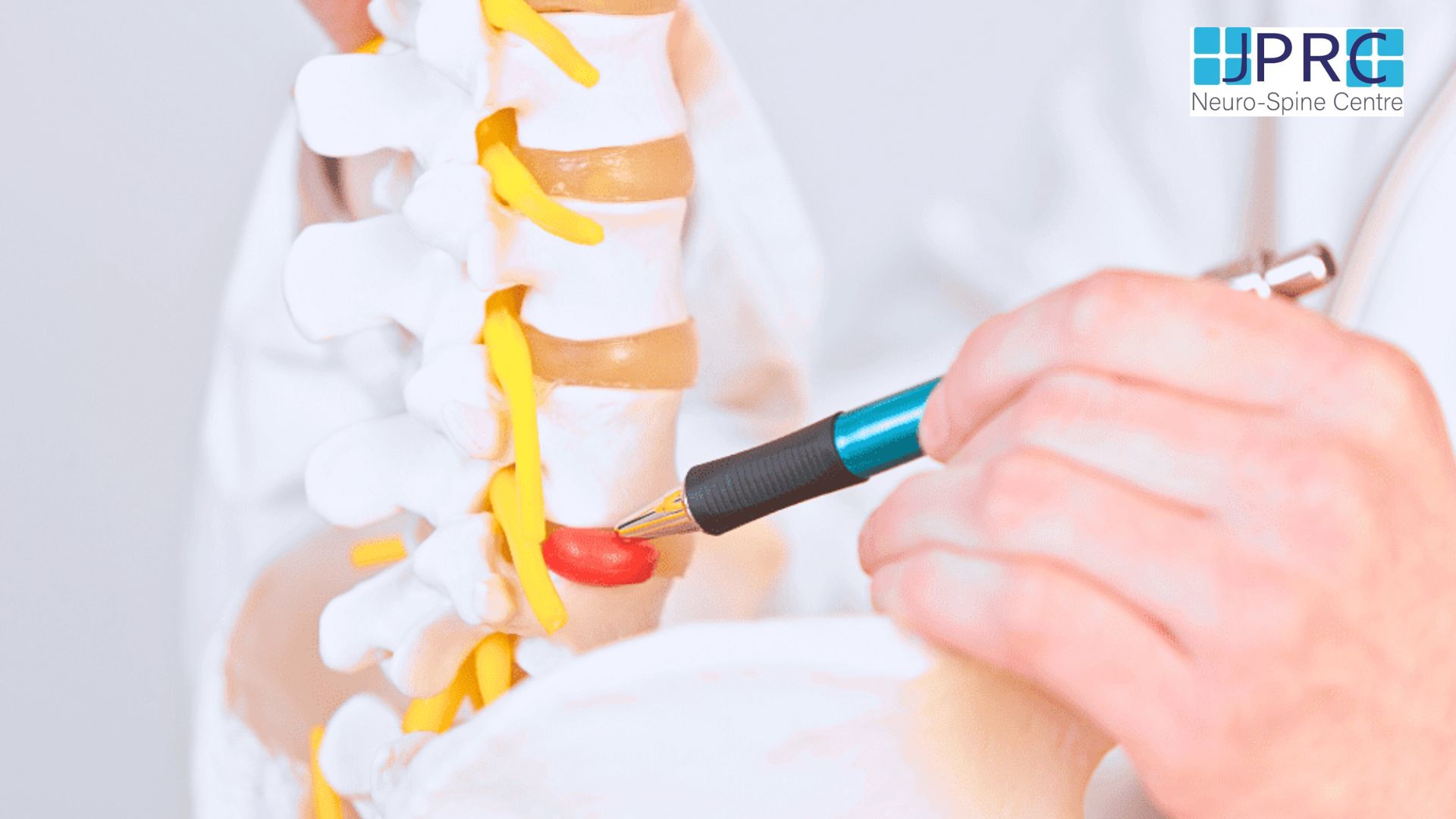
SCS is widely used for conditions such as failed back surgery syndrome (FBSS), chronic sciatica, complex regional pain syndrome (CRPS), diabetic neuropathy, and long-standing nerve compression.
What Is Spinal Cord Stimulation (SCS)?
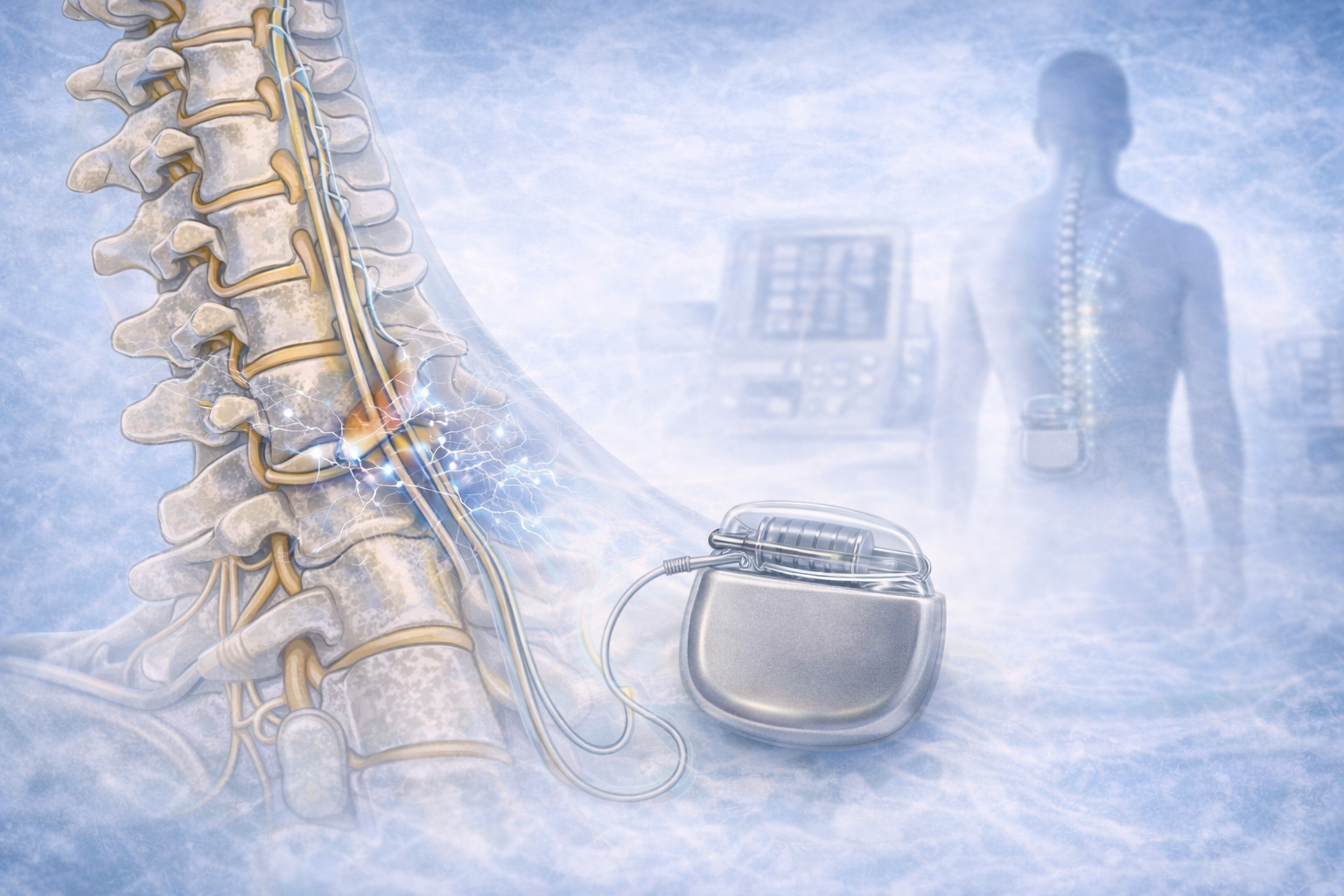
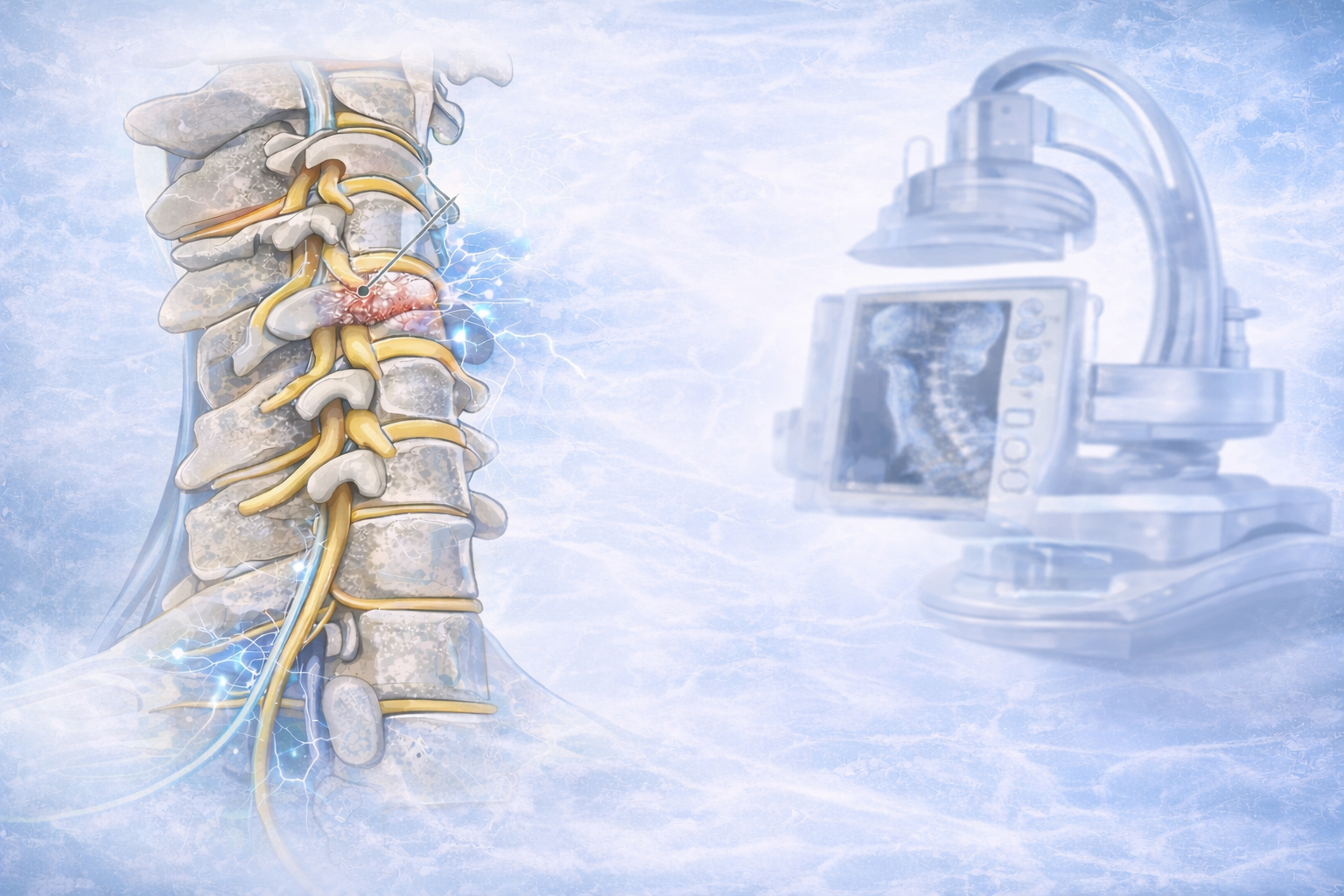
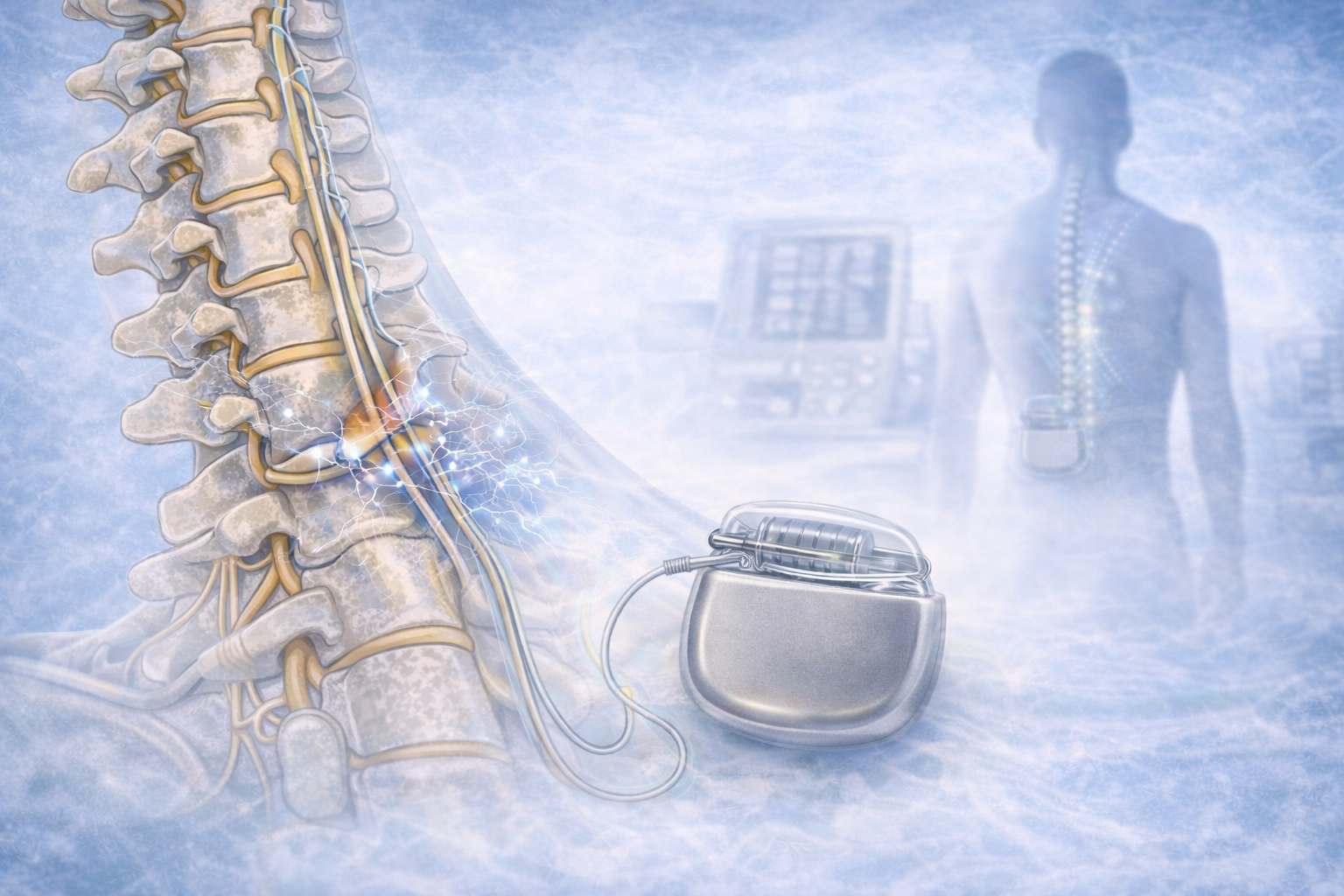
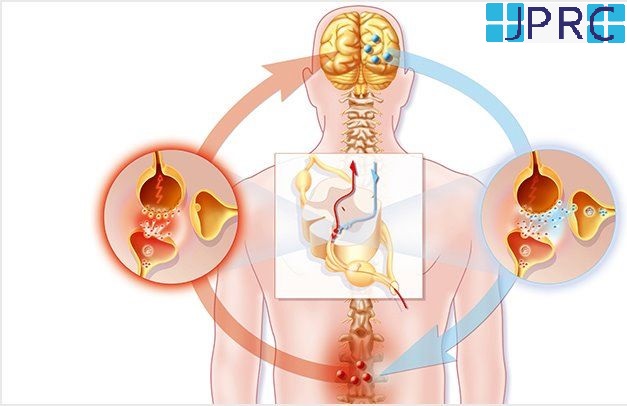
Spinal Cord Stimulation is an interventional pain management technique that uses mild electrical impulses to modify pain signals before they reach the brain. A small device (neurostimulator) delivers controlled pulses to specific areas of the spinal cord, helping reduce the sensation of pain.
Rather than eliminating the underlying structure, SCS works by modulating how the nervous system processes pain, making it especially effective for chronic and neuropathic pain conditions.
How Does SCS Work?
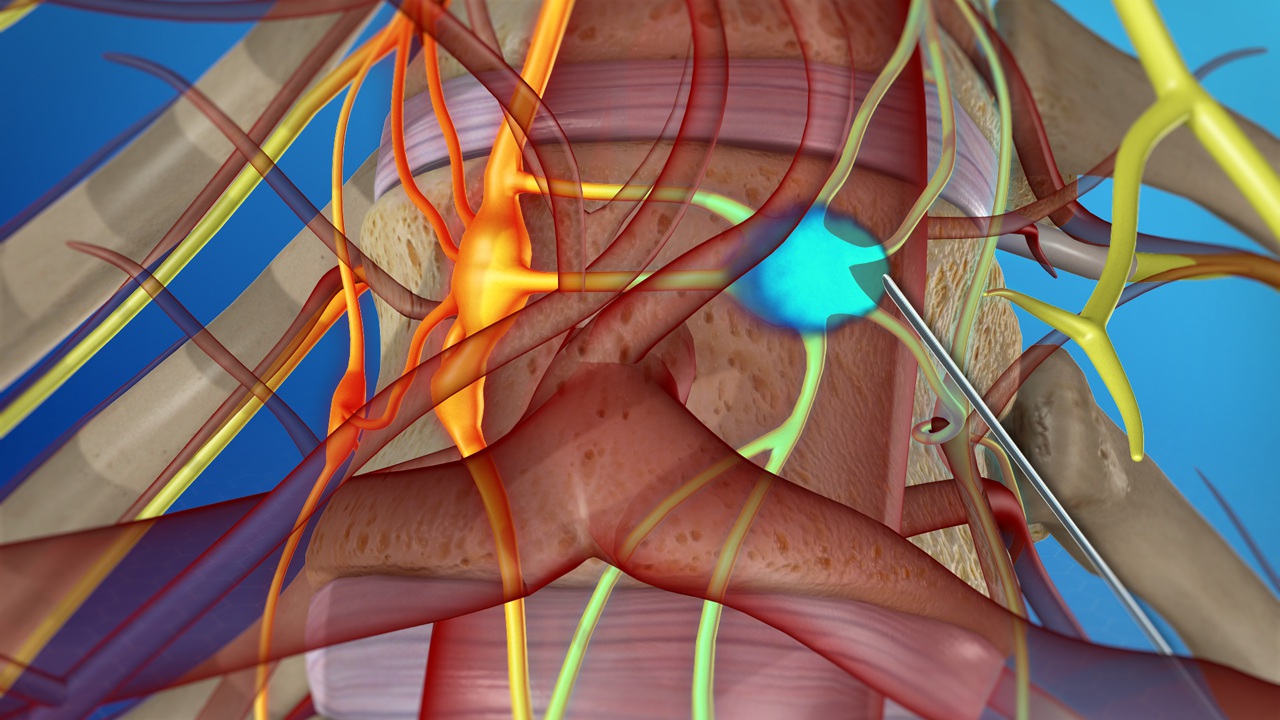
The spinal cord carries pain signals from nerves in the body to the brain. In chronic pain states, these signals can become amplified. SCS introduces low-voltage electrical impulses that interrupt or alter these signals, replacing painful sensations with a more comfortable tingling or a reduced pain response.
Modern SCS systems allow:
-
Adjustable stimulation levels
-
Personalized pain coverage areas
-
Rechargeable or long-life batteries
-
Wireless programming
Conditions Treated with SCS
Spinal Cord Stimulation is commonly recommended for:
-
Chronic back pain
-
Sciatica and radiating leg pain
-
Failed Back Surgery Syndrome (FBSS)
-
Complex Regional Pain Syndrome (CRPS)
-
Diabetic neuropathy
-
Peripheral nerve pain
-
Chronic neck and arm pain
The SCS Procedure: Step-by-Step
1. Trial Phase
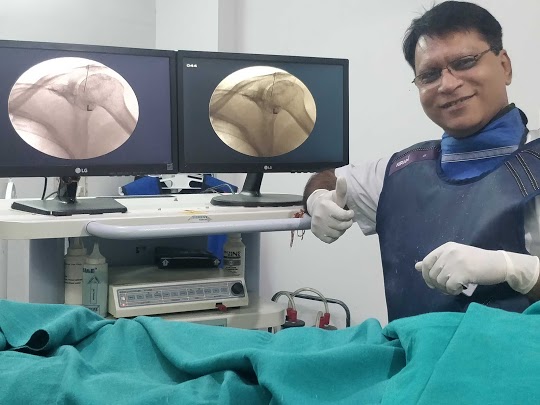
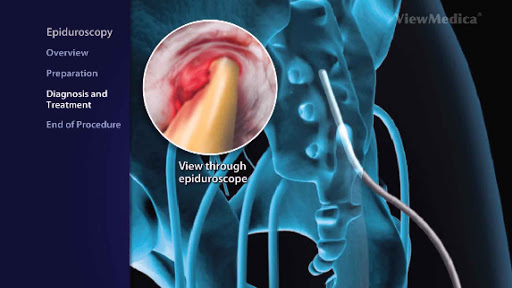
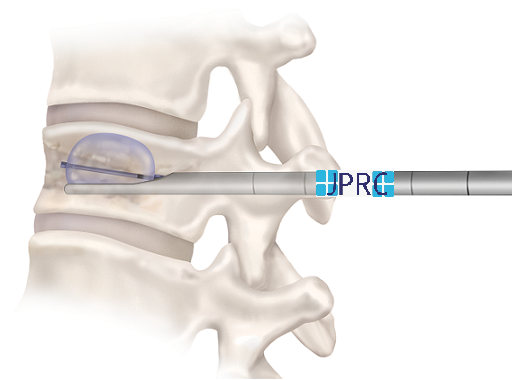
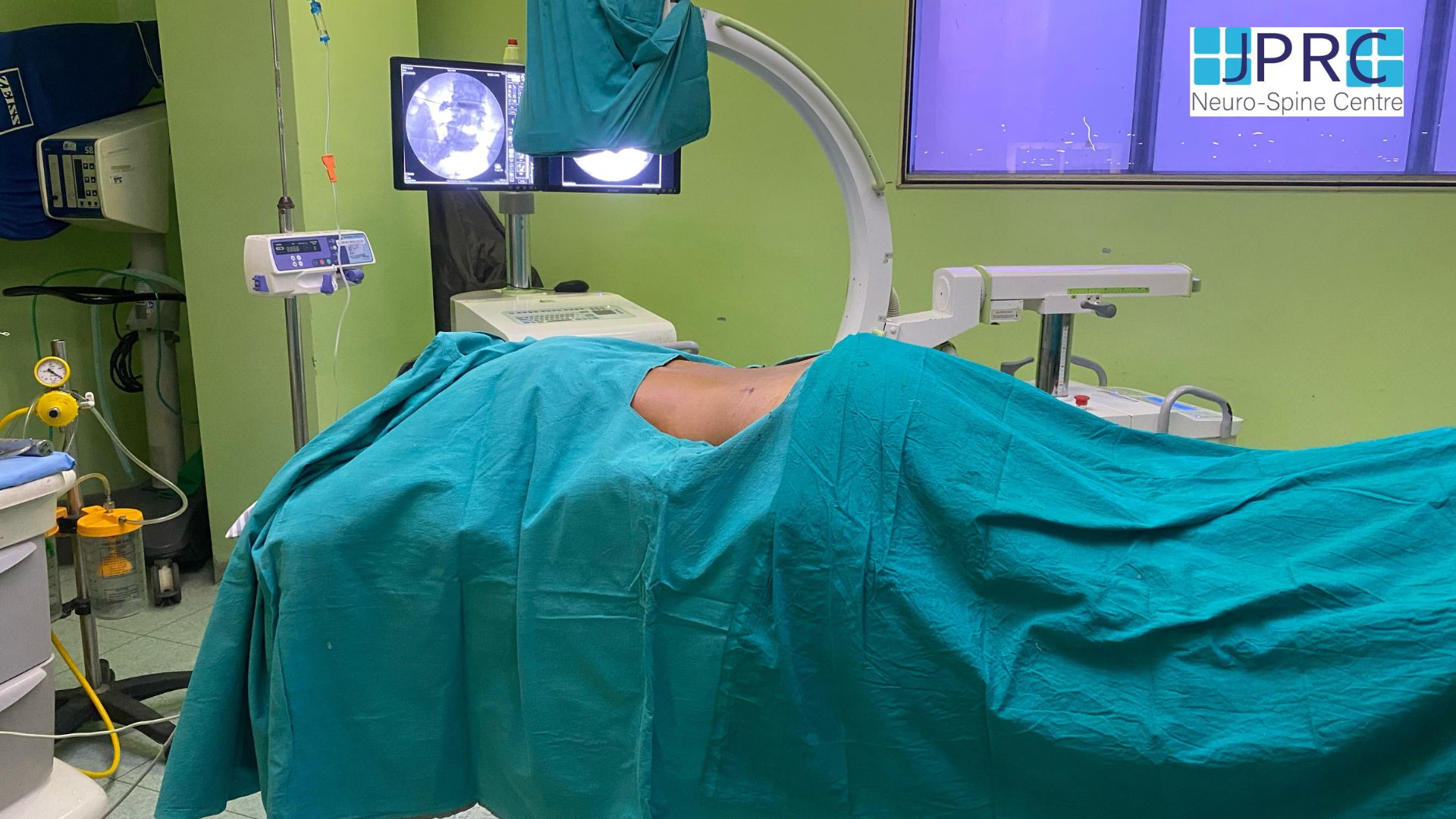
Before permanent implantation, most patients undergo a temporary SCS trial. Thin leads are placed in the epidural space under X-ray guidance and connected to an external stimulator. The trial usually lasts 3–7 days to evaluate pain relief and daily function improvement.
2. Permanent Implantation
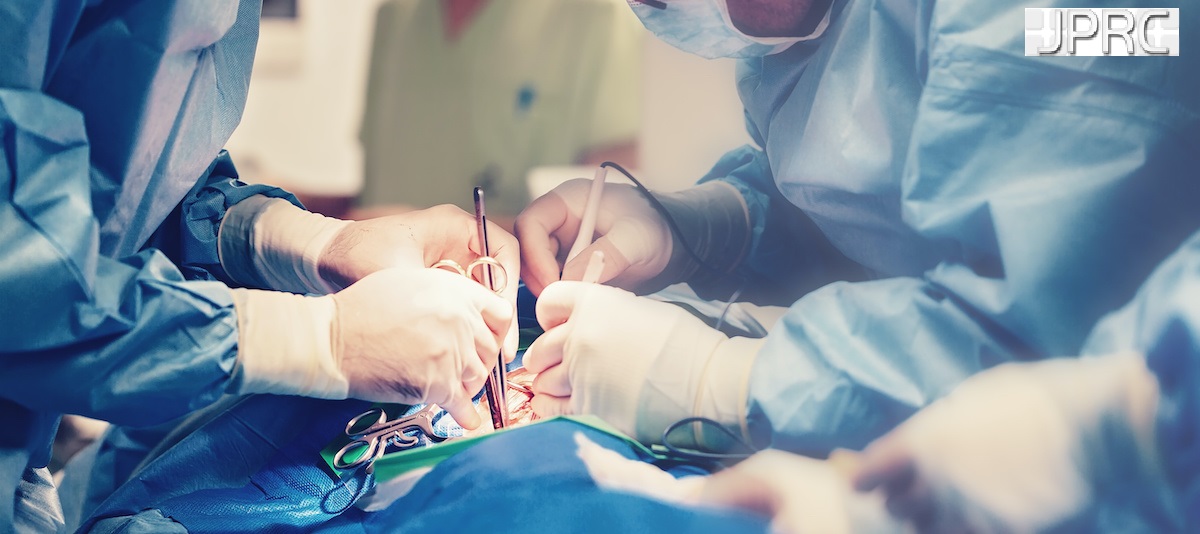
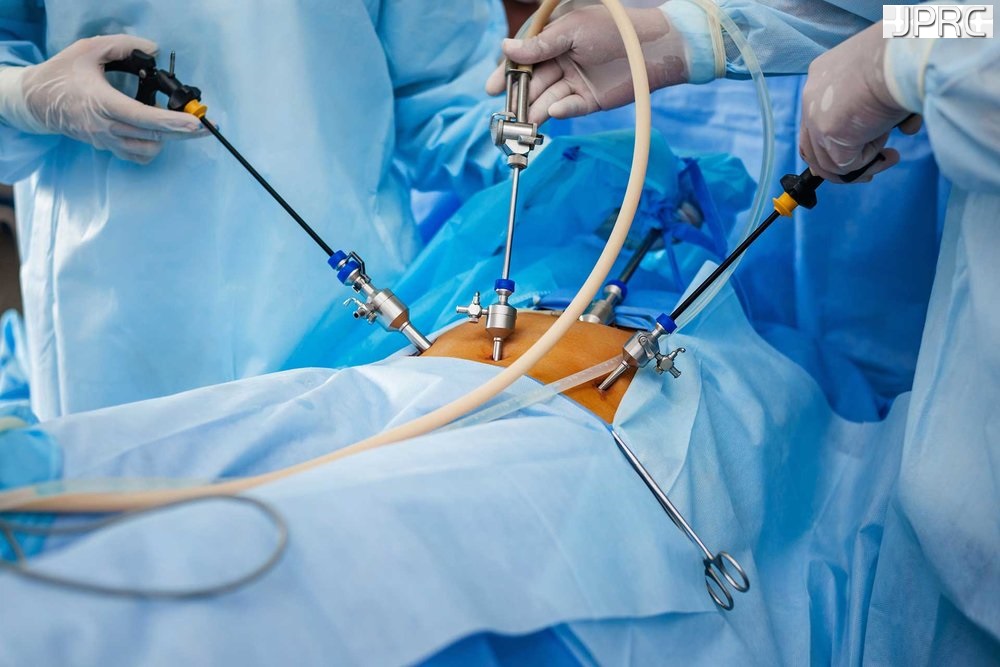
If the trial is successful, a small neurostimulator device is implanted under the skin (usually in the lower back or abdomen). The leads are carefully positioned near the spinal cord to target the specific pain region.
Procedure Time: 60–120 minutes
Hospital Stay: Same day or overnight, depending on patient condition
Benefits of Spinal Cord Stimulation
-
Non-surgical pain management approach
-
Reduces dependency on long-term pain medications
-
Customizable and adjustable stimulation
-
Improves daily function and mobility
-
Reversible procedure
-
Proven long-term pain control for selected patients
Safety and Risks
When performed by trained specialists, SCS is considered safe and effective.
Common Temporary Effects:
-
Mild discomfort at the implant site
-
Tingling sensations
Rare Complications:
-
Infection
-
Lead migration
-
Hardware malfunction
Regular follow-ups help minimize these risks and optimize device performance.
SCS vs. Spine Surgery
| Feature | Spinal Cord Stimulation | Spine Surgery |
|---|---|---|
| Invasiveness | Minimally invasive | Highly invasive |
| Reversibility | Reversible | Irreversible |
| Hospital Stay | Short | Longer |
| Recovery Time | Faster | Extended |
| Pain Modulation | Yes | Structural correction |
Who Is a Good Candidate for SCS?
Patients who may benefit most include those who:
-
Have chronic pain lasting more than 6 months
-
Did not respond to medications, physiotherapy, or injections
-
Are not ideal candidates for repeat spine surgery
-
Have predominantly nerve-related pain
A thorough evaluation and trial phase are essential before permanent implantation.
Conclusion
Spinal Cord Stimulation represents a powerful, non-surgical option for managing chronic back and nerve pain. With customizable therapy, faster recovery, and reduced reliance on medications, SCS can significantly improve long-term quality of life for carefully selected patients.
If chronic pain is limiting your mobility and independence, a consultation with an interventional pain specialist can help determine whether SCS is the right solution for you.






























.jpg)








_Injection_Description_in_Hindi.jpg)









.jpg)







.jpg)


.jpg)
.jpg)
.jpg)






.jpg)
.jpg)
.jpg)
.jpg)
.jpg)
.jpg)
.jpg)
.jpg)
.jpg)
.jpg)
.jpg)
.jpg)
.jpg)
.jpg)
.jpg)
.jpg)
.jpg)
.jpg)
.jpg)
.jpg)
.jpg)
.jpg)






1.jpg)
1.jpg)
1.jpg)
1.jpg)
1.jpg)
1.jpg)
1.jpg)






2.jpg)
3.jpg)


4.jpg)
1.jpg)
2.jpg)
5.jpg)
6.jpg)


7.jpg)
2.jpg)

8.jpg)

9.jpg)
3.jpg)

10.jpg)

11.jpg)


12.jpg)
4.jpg)