
Back Pain: Causes, Symptoms, and Non-Surgical Treatment Options
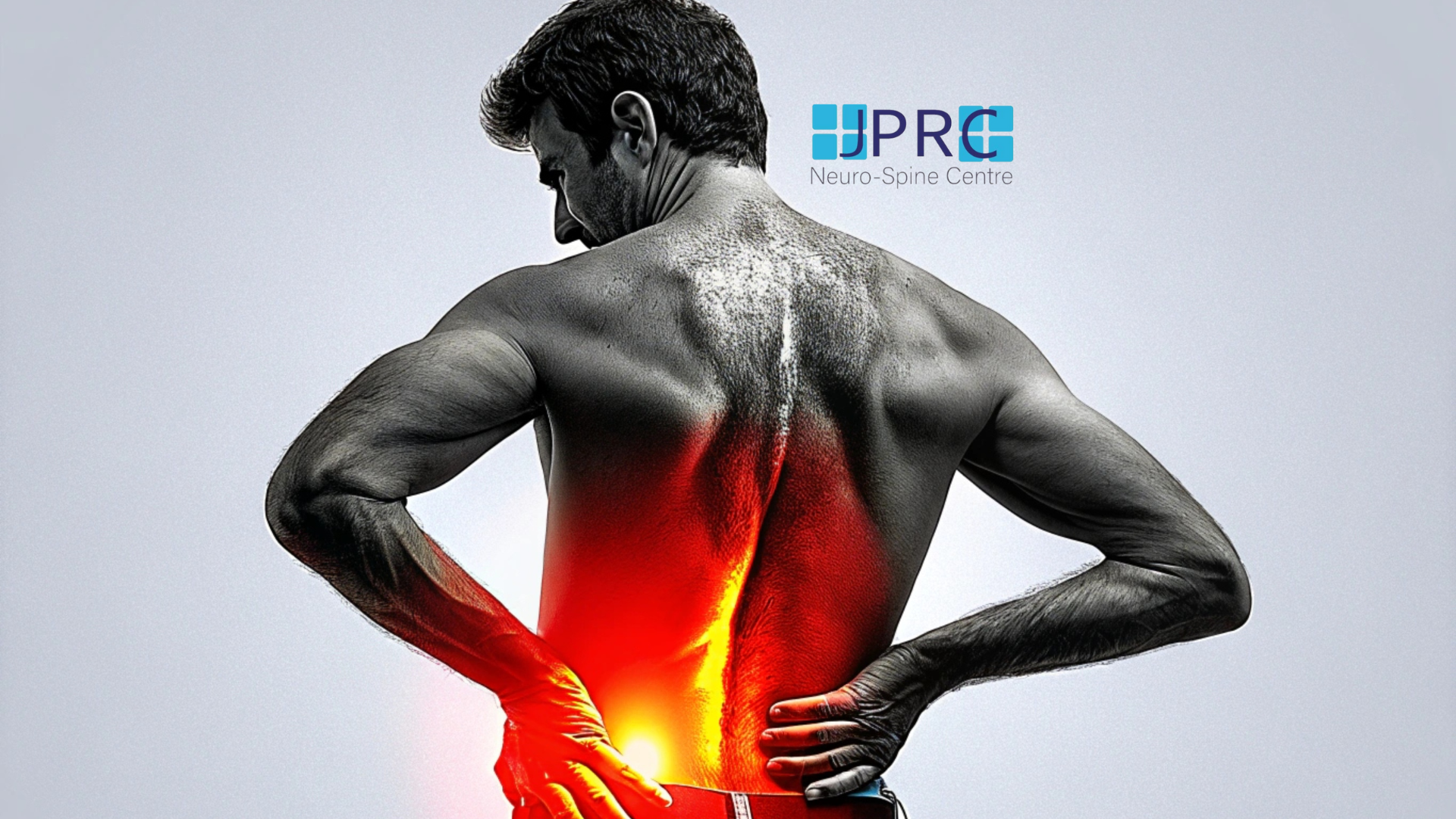
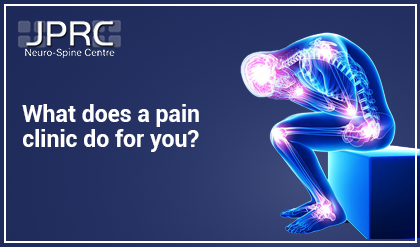
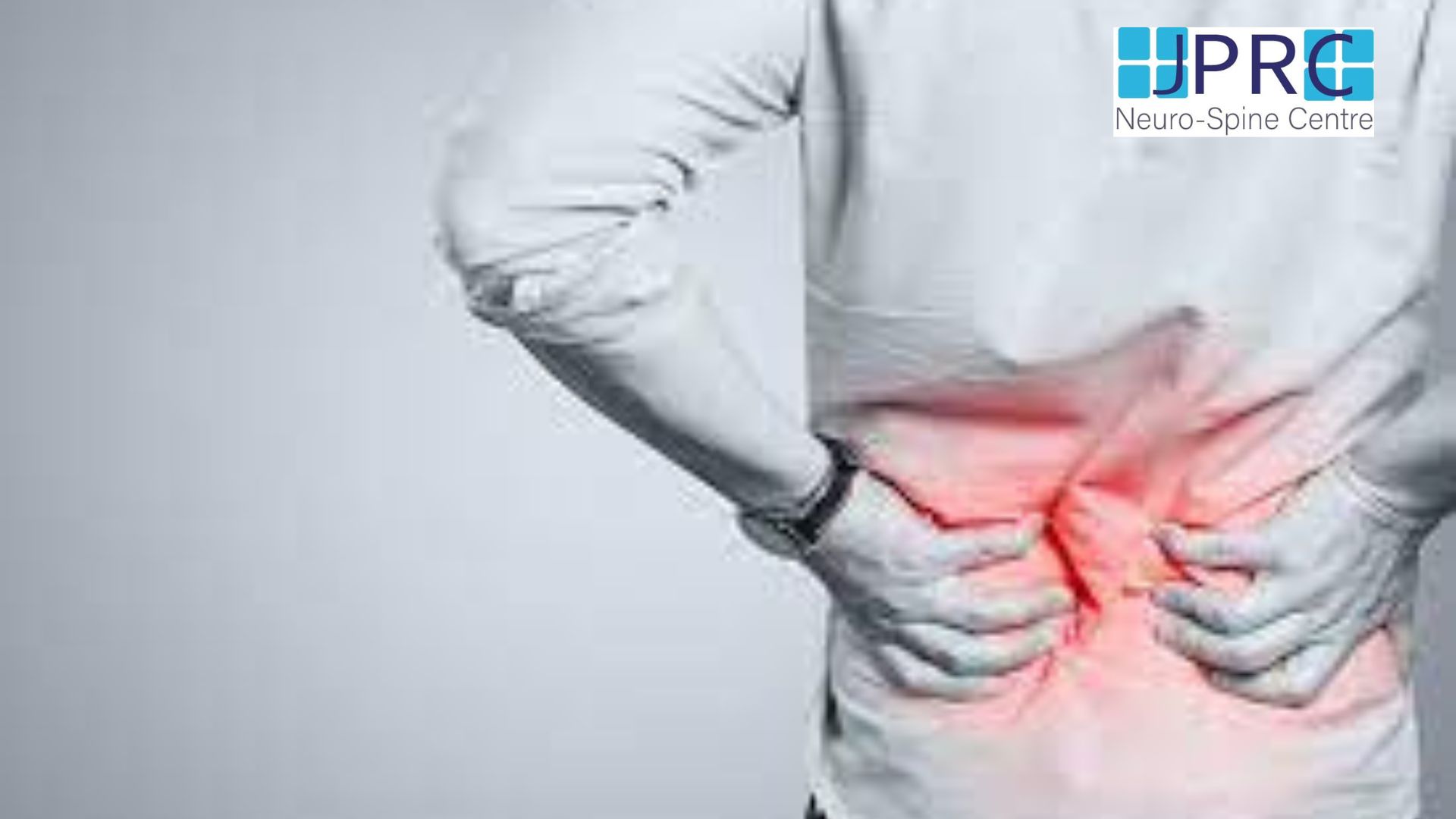
Back pain is one of the most common health problems affecting people of all ages. From long hours of sitting and poor posture to disc problems and nerve compression, back pain can limit mobility, productivity, and overall quality of life. The good news is that most cases of back pain can be managed effectively without surgery when diagnosed early and treated with the right approach.
What Is Back Pain?
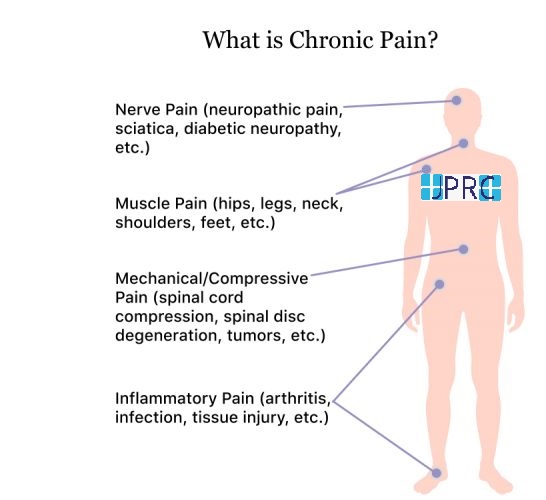
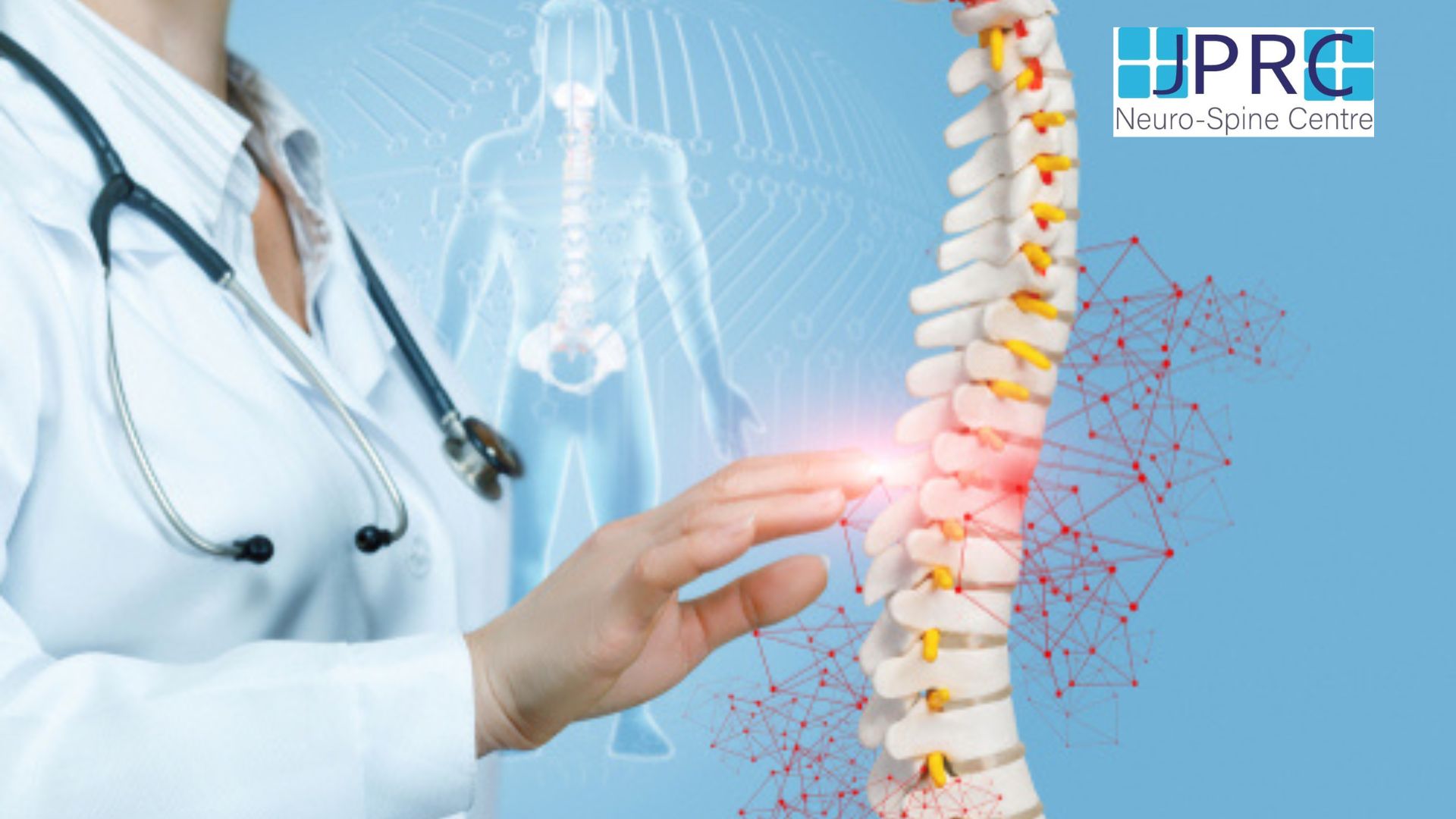
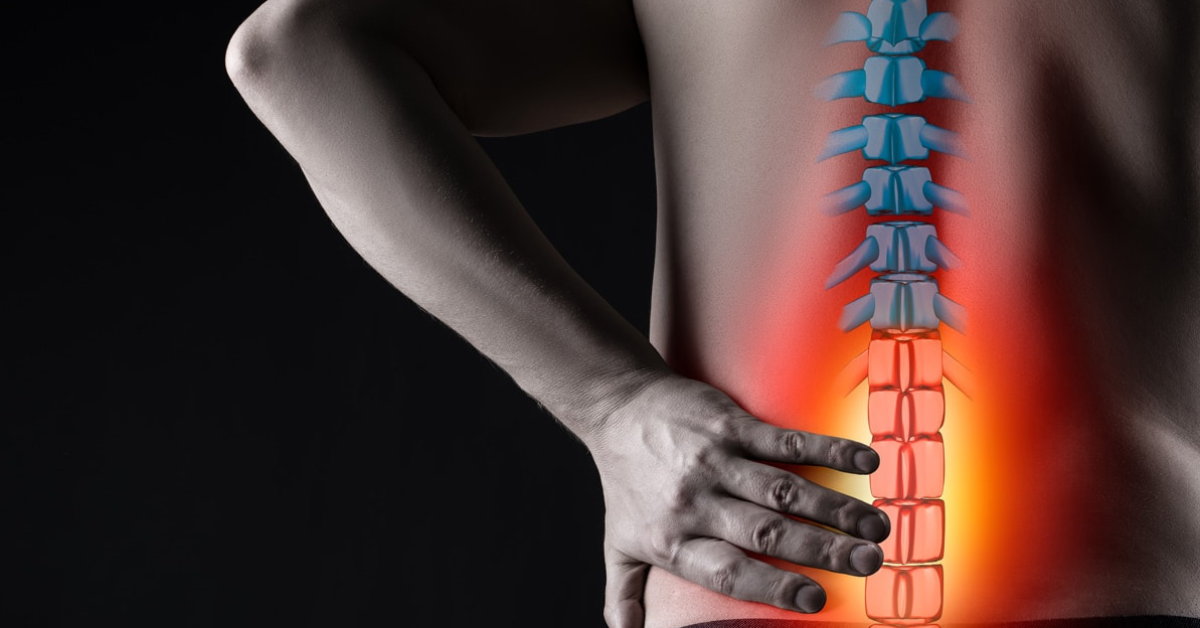
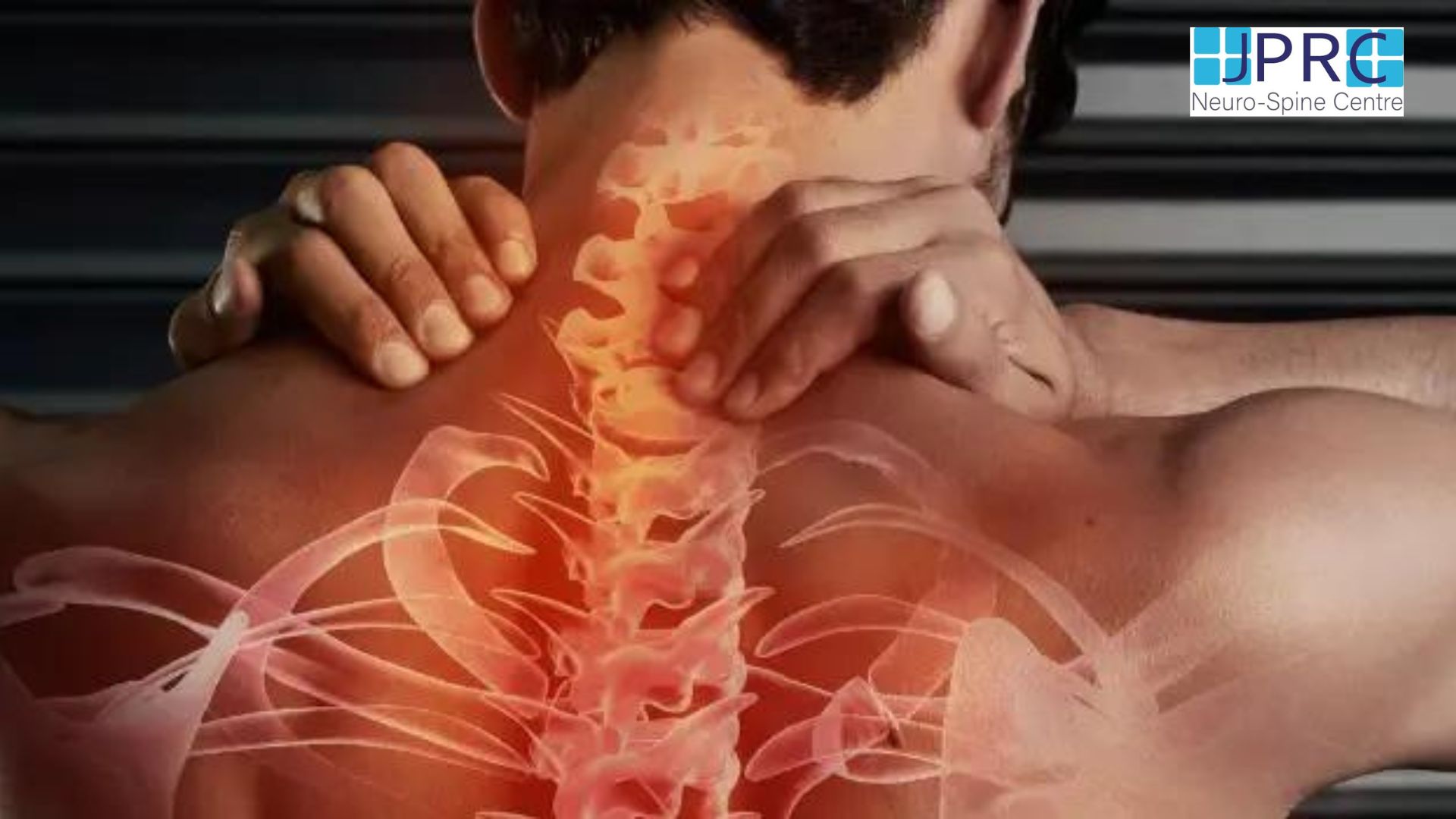
Back pain refers to discomfort or stiffness felt anywhere along the spine—from the neck (cervical spine) to the lower back (lumbar spine). It can be:
-
Acute: Lasting a few days to weeks
-
Chronic: Lasting more than 3 months
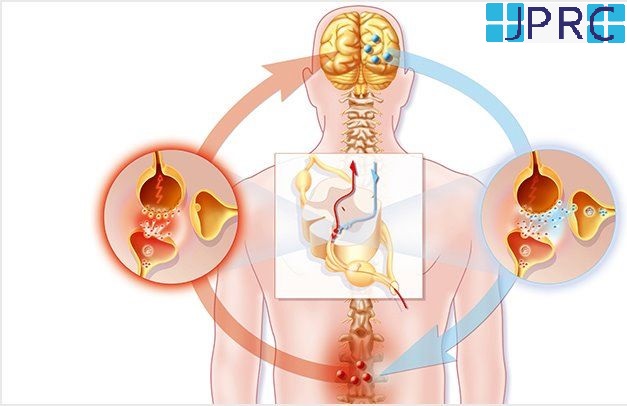
The pain may be localized to one area or radiate to the arms or legs, depending on nerve involvement.
Common Causes of Back Pain
Back pain can develop due to a wide range of physical and lifestyle factors, including:
-
Poor posture and prolonged sitting
-
Muscle strain or ligament sprain
-
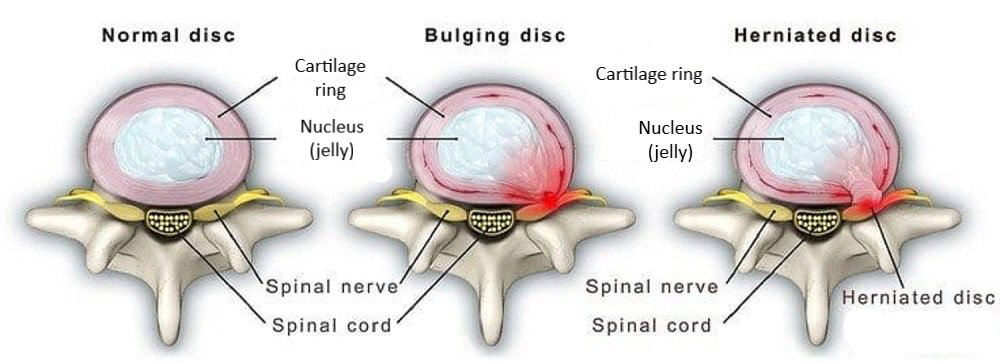
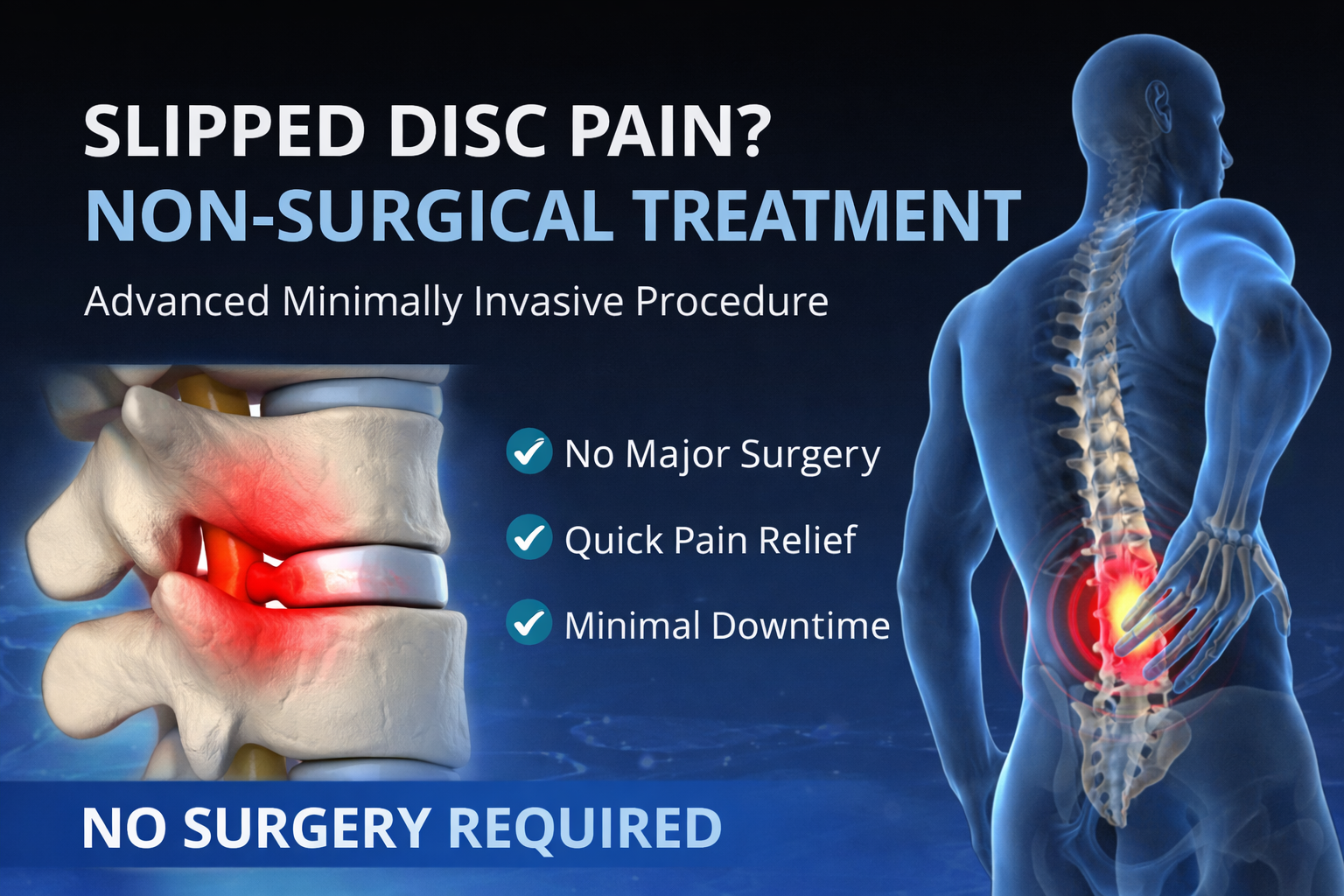
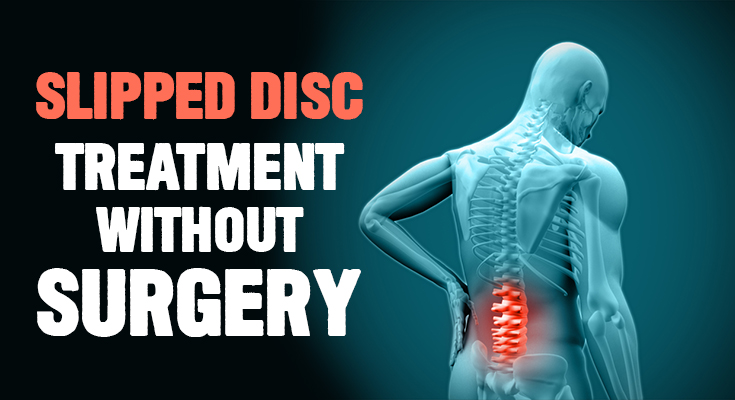
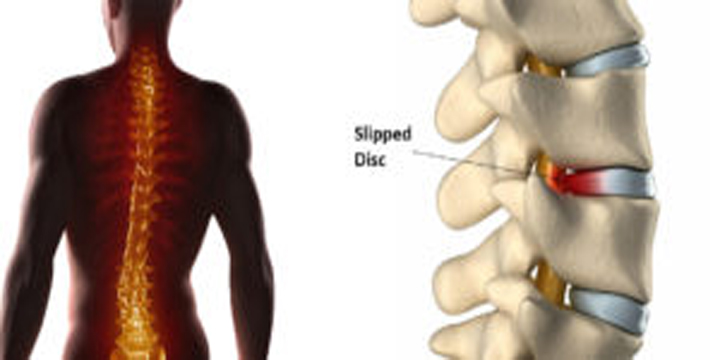
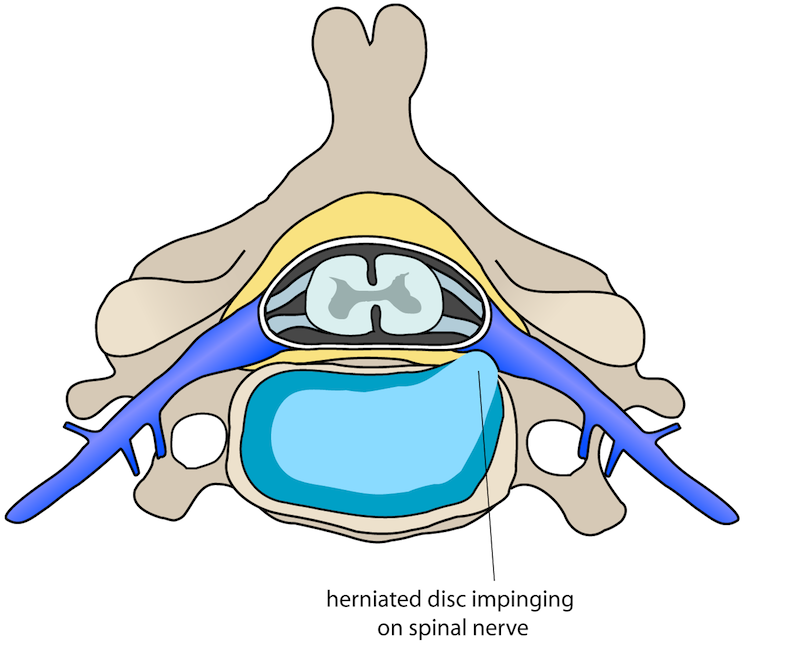
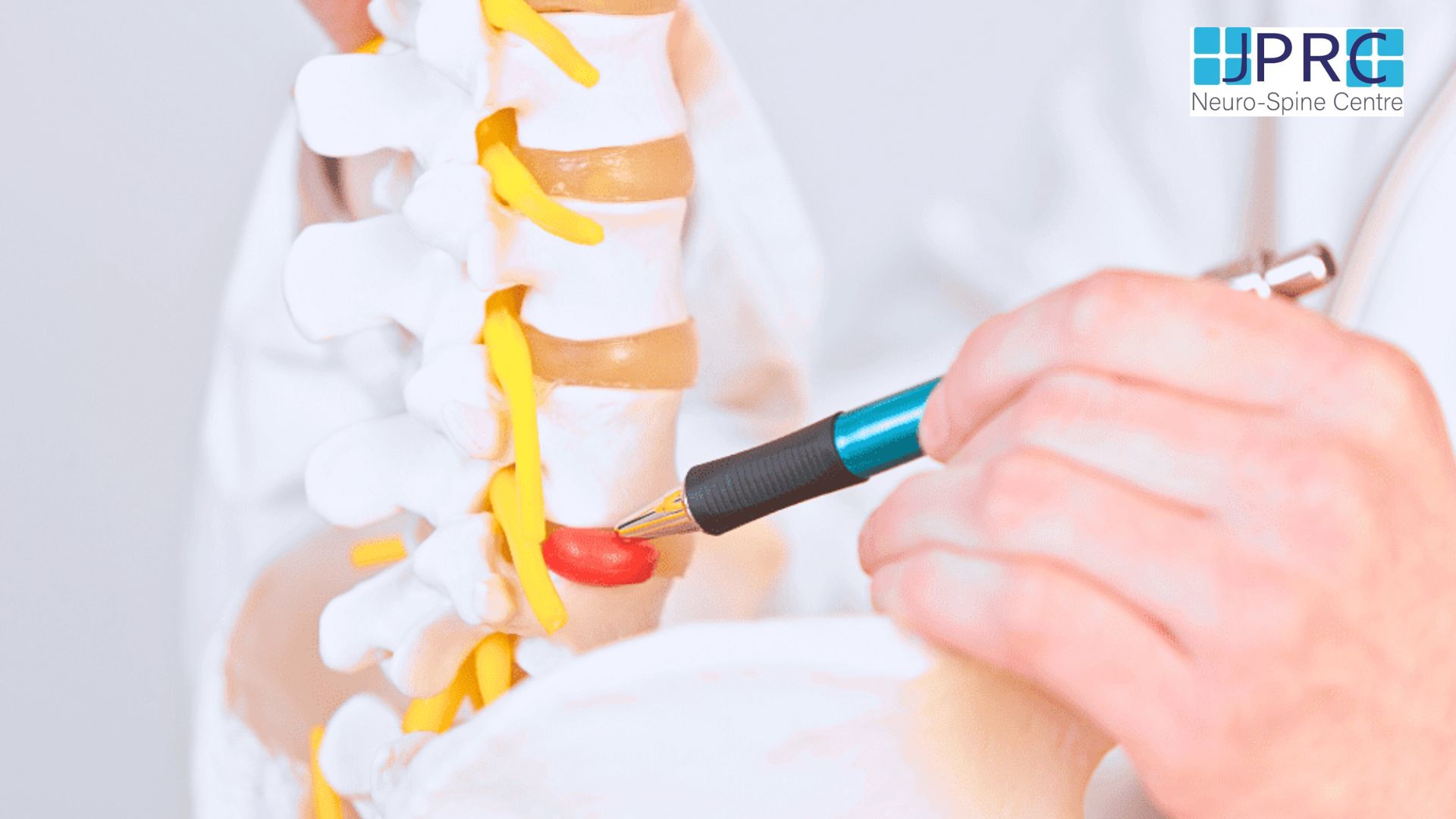
Herniated or bulging disc (Slip Disc)
-
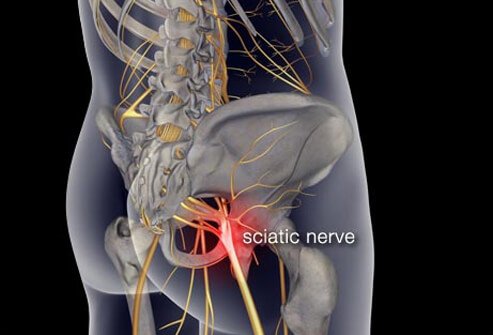
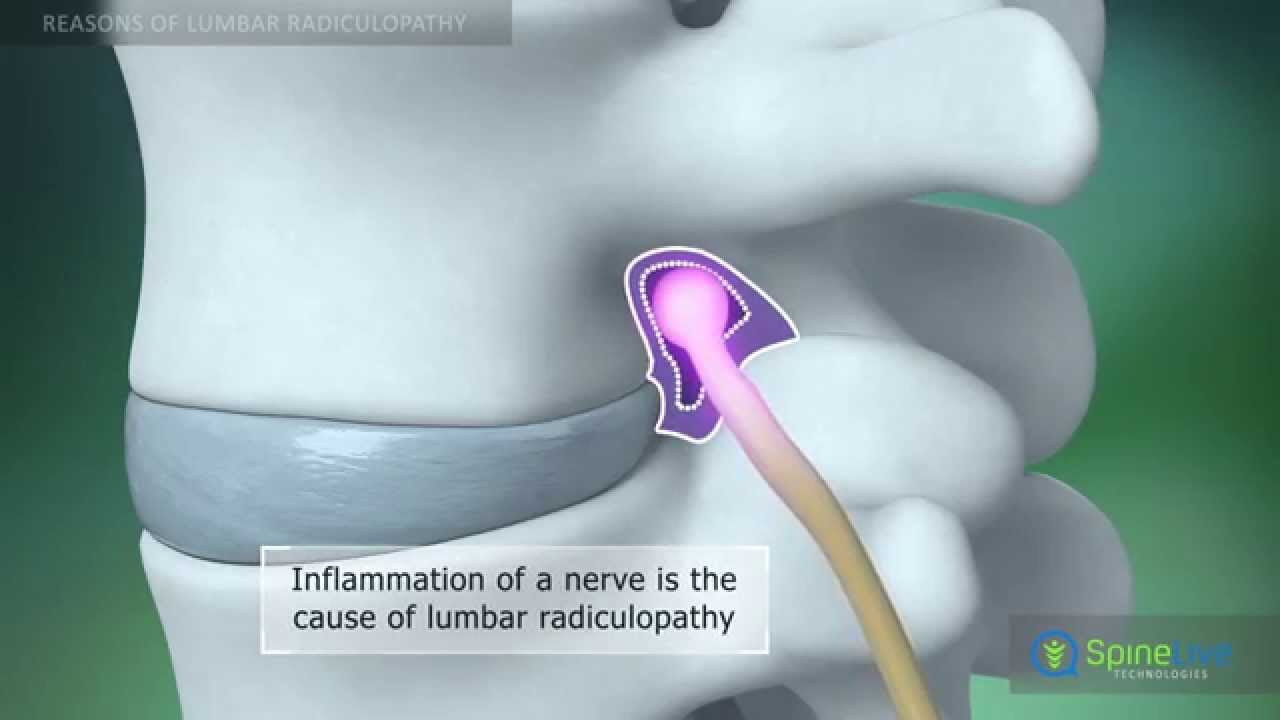
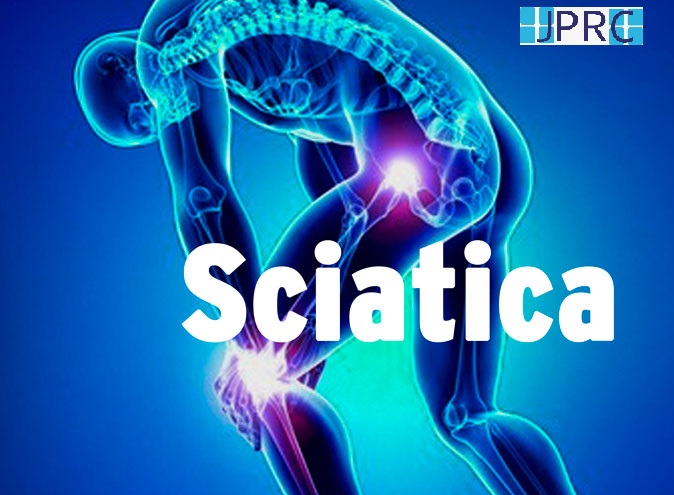
Sciatica (nerve compression)
-
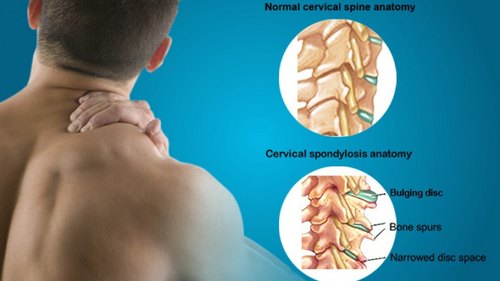
Spinal degeneration and spondylosis
-
Heavy lifting or sudden twisting movements
-
Weak core muscles
-
Obesity and lack of physical activity
Symptoms to Watch For
Symptoms vary depending on the underlying cause and severity:
-
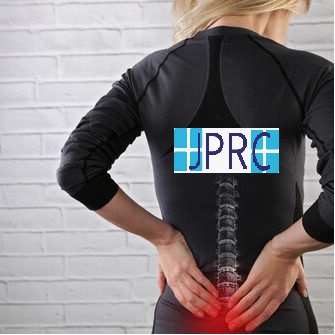
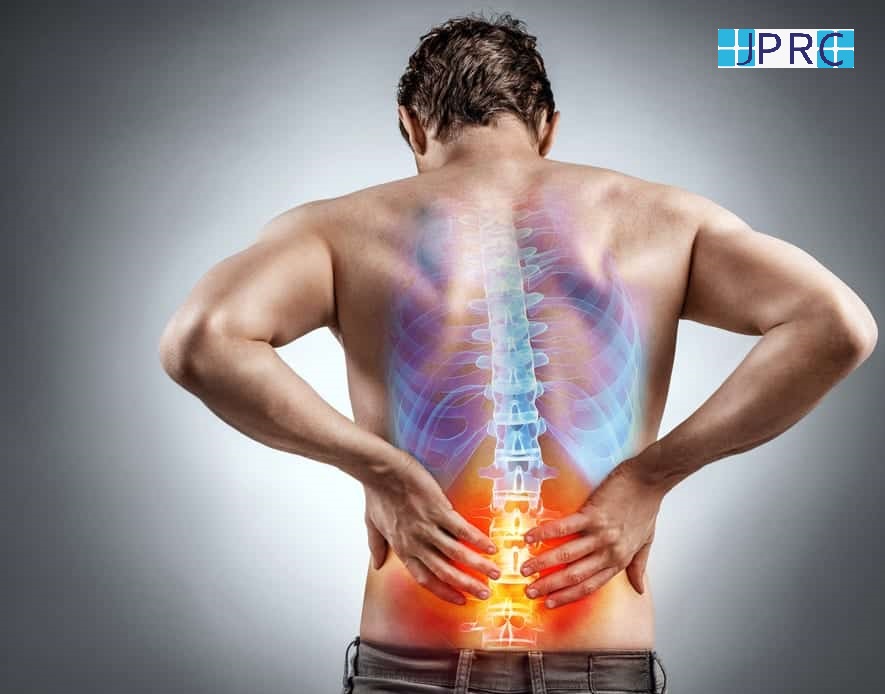
Dull or sharp pain in the lower or upper back
-
Pain radiating to the legs or arms
-
Numbness or tingling
-
Muscle stiffness and reduced flexibility
-
Difficulty standing, sitting, or walking for long periods
Seek immediate medical attention if you experience:
-
Progressive weakness
-
Loss of bladder or bowel control
-
Severe, unexplained pain after an injury
Diagnosis
A proper diagnosis helps determine the most effective treatment. It may include:
-
Medical history and physical examination
-
Neurological assessment
-
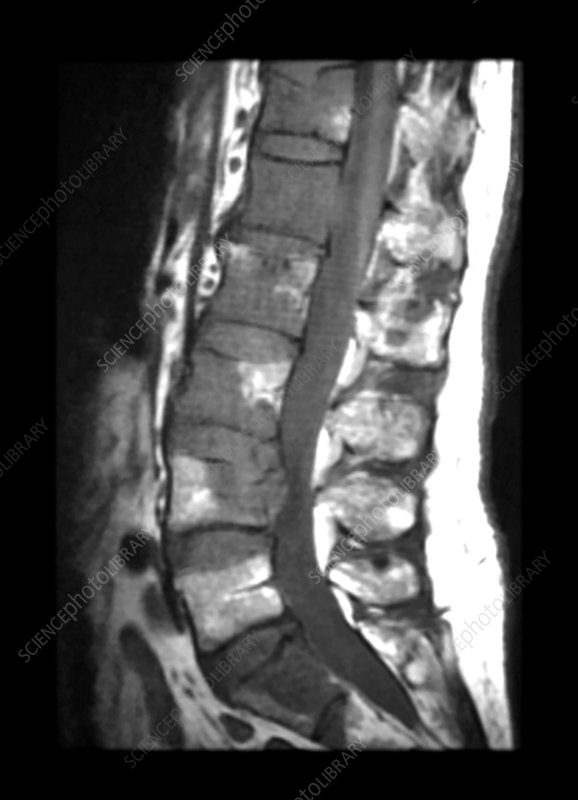
Imaging tests (MRI, X-ray, or CT scan)
Non-Surgical Treatment Options
Most patients experience significant improvement with conservative and interventional treatments, such as:
1. Medications
-
Anti-inflammatory drugs
-
Muscle relaxants
-
Short-term pain relievers
2. Physiotherapy
-
Posture correction
-
Core strengthening
-
Stretching and mobility exercises
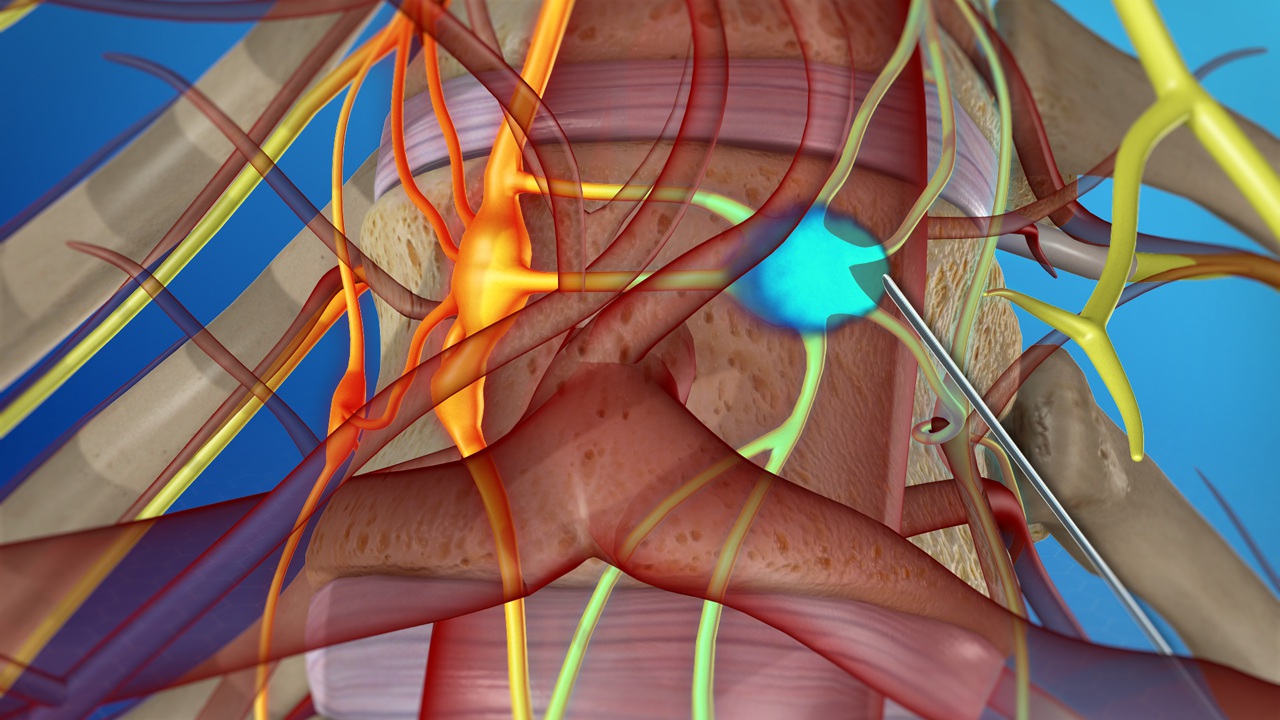
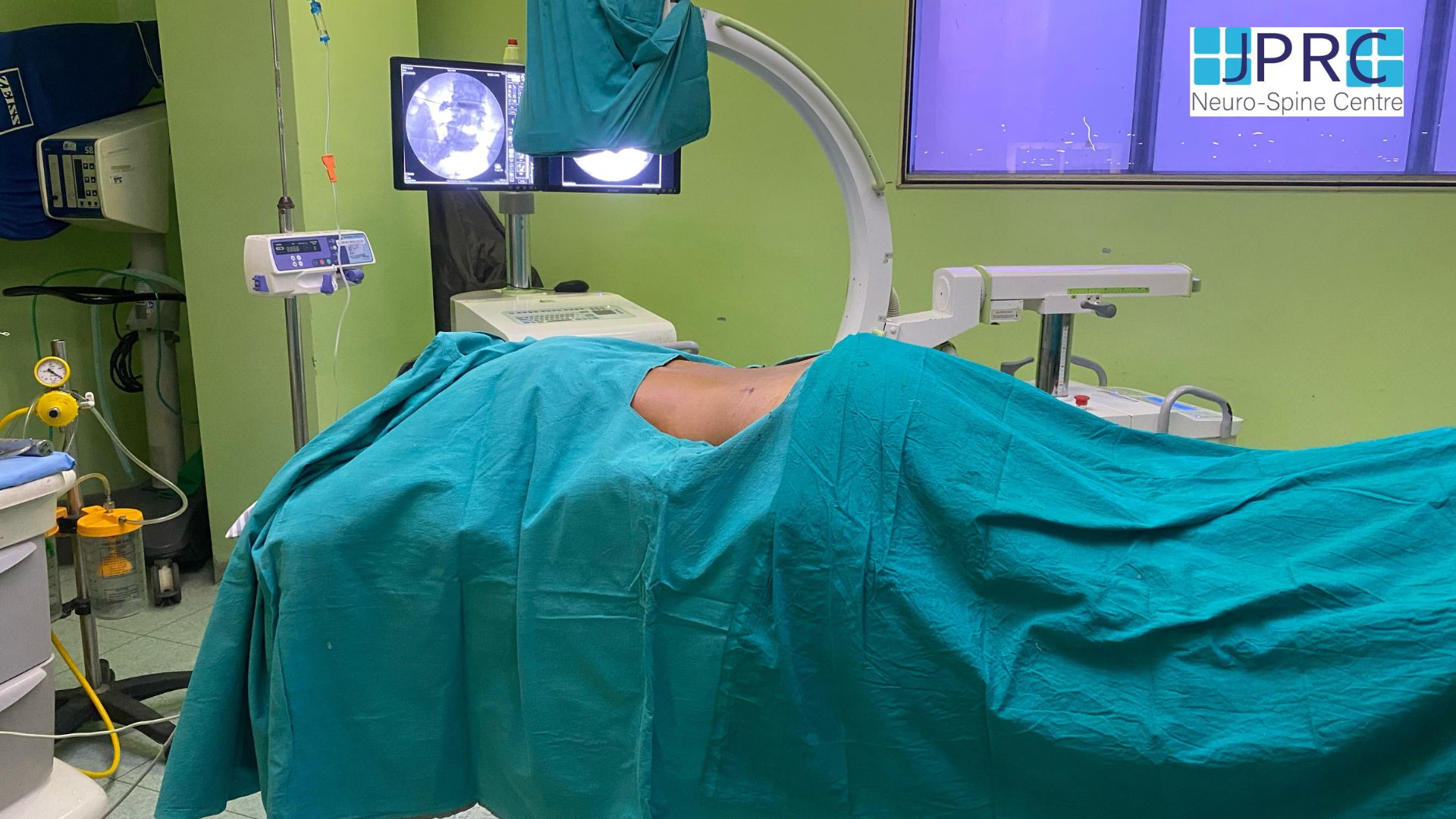
3. Interventional Pain Management
-
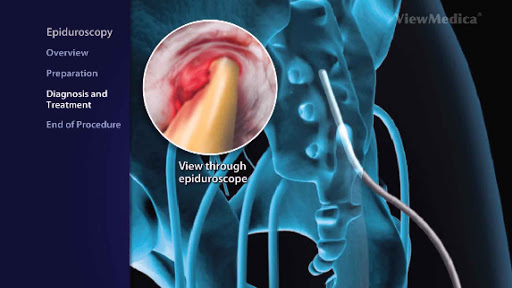
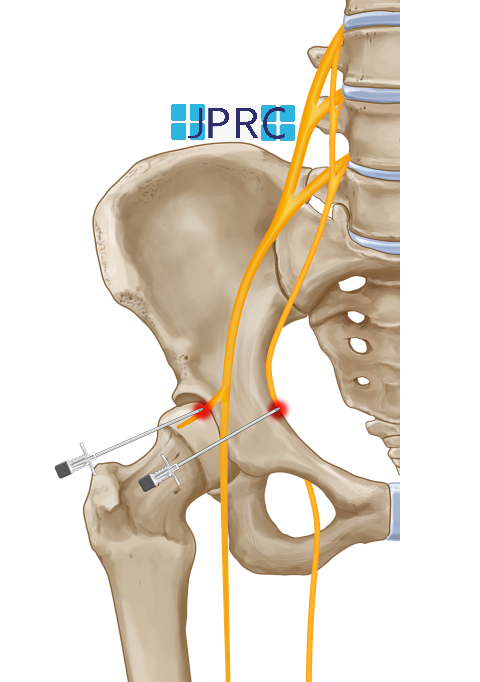
Epidural steroid injections
-
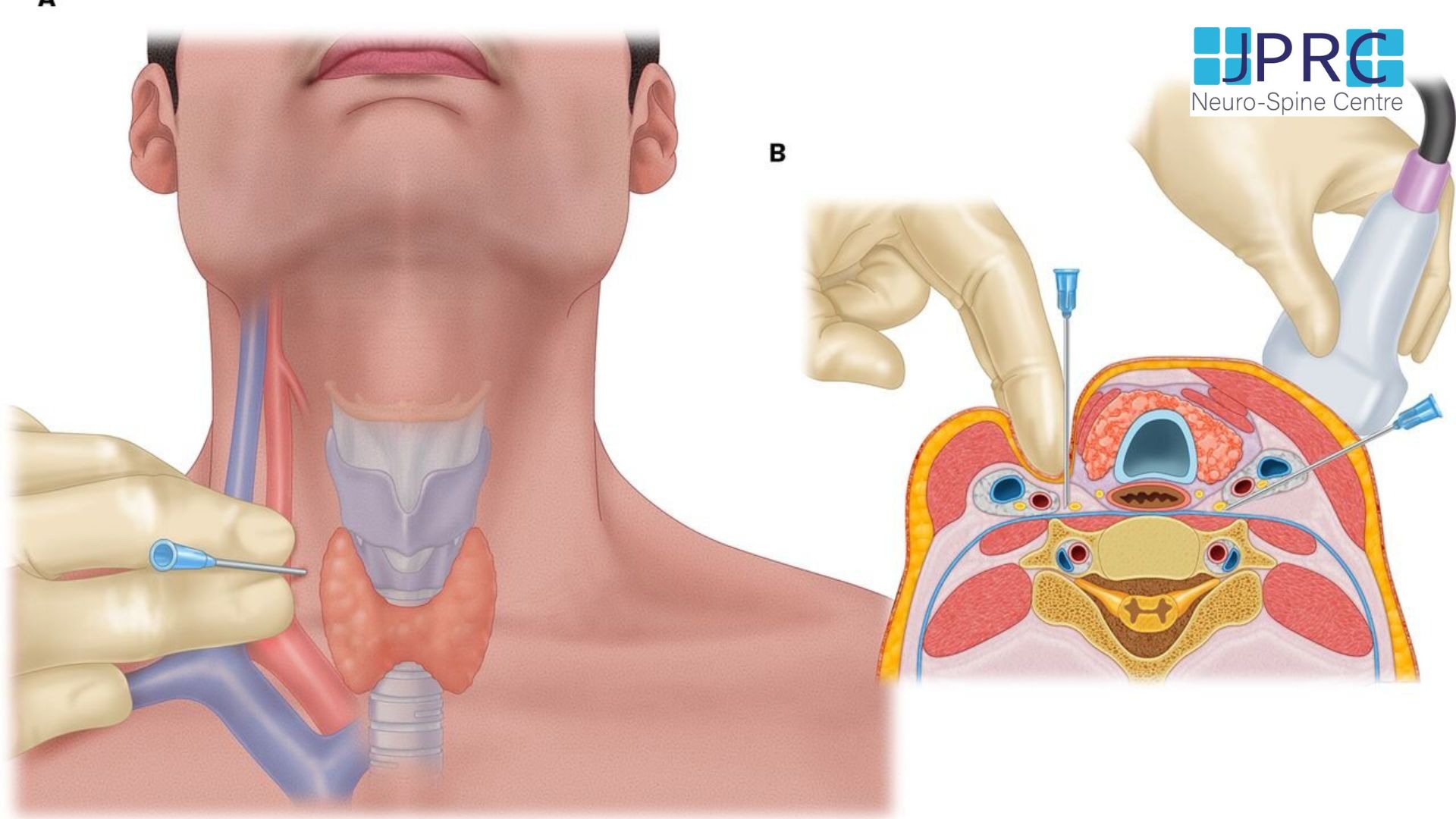
Nerve blocks
-
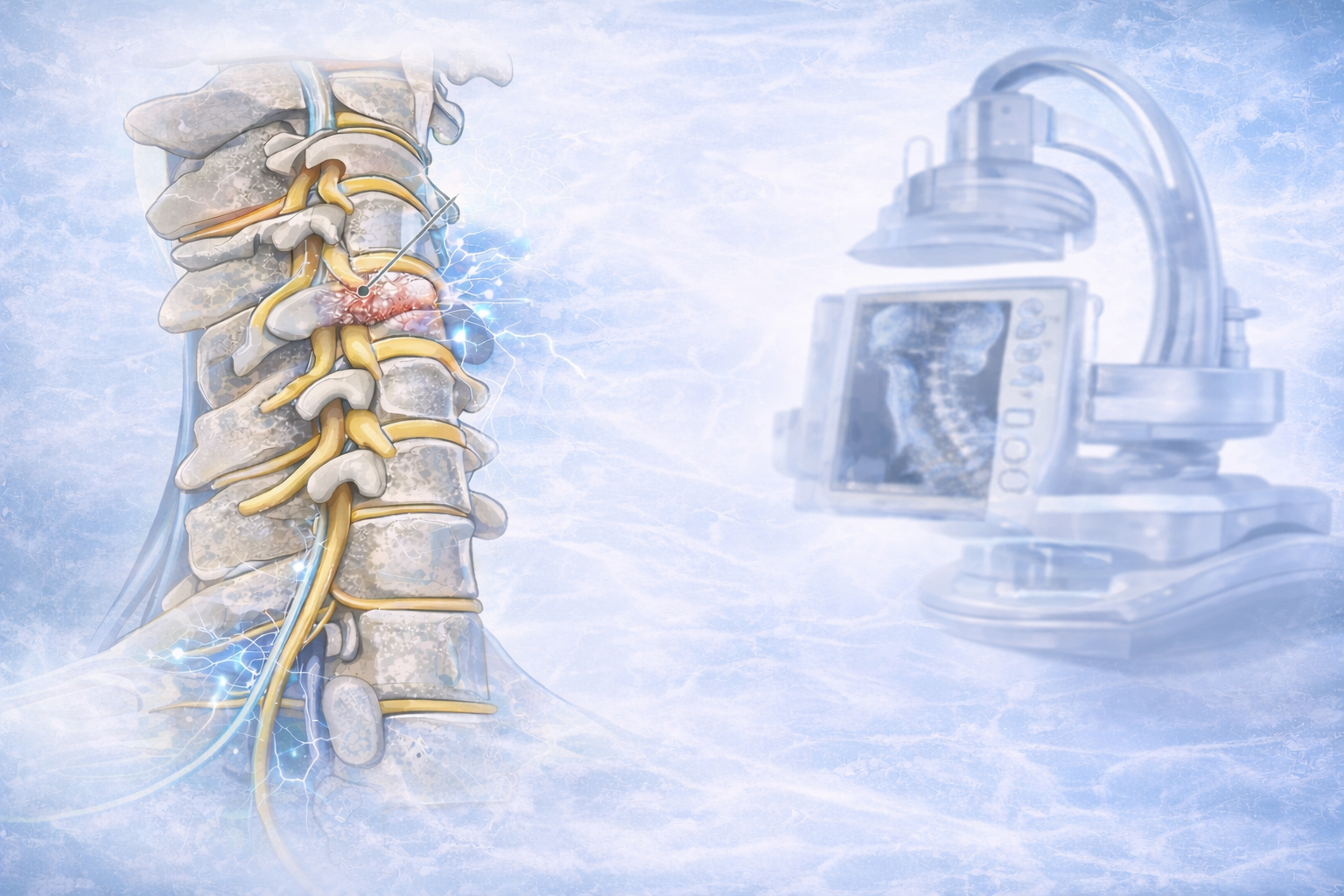
Radiofrequency ablation (RFA)
-
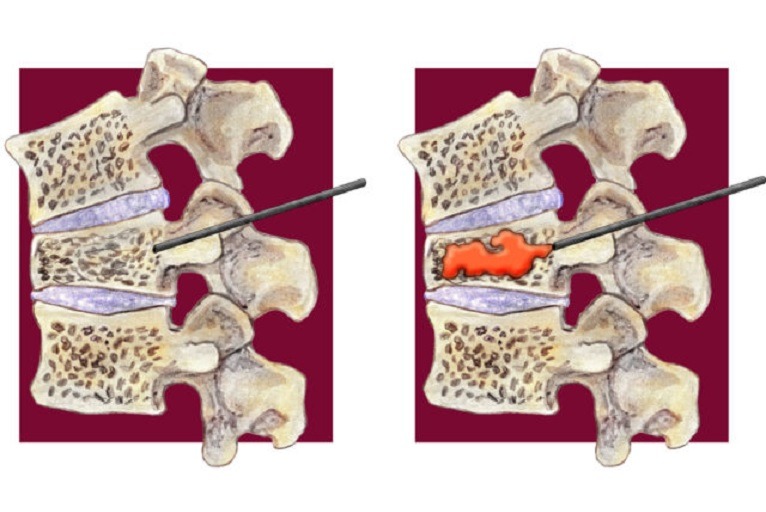
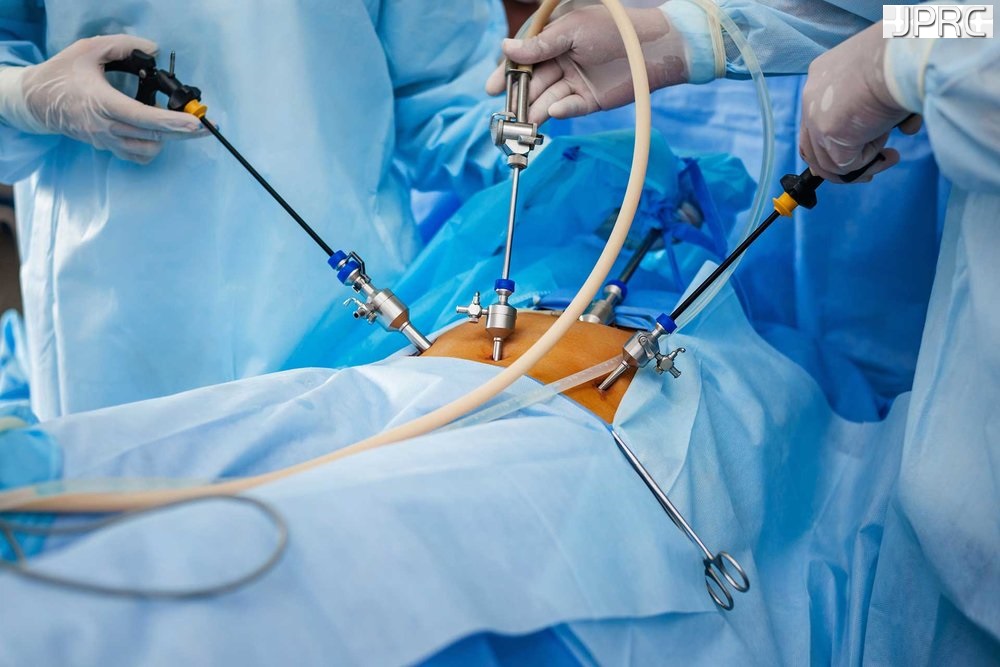
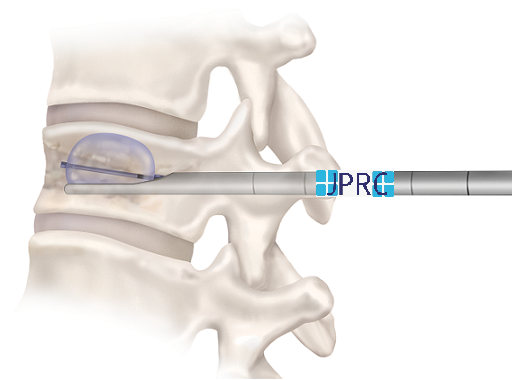
Minimally invasive spine procedures (e.g., Neuroplasty, MIPSI in selected cases)
These targeted treatments reduce inflammation, relieve nerve pressure, and support faster recovery—often avoiding the need for surgery.
When Is Surgery Needed?
Surgery is generally considered a last resort and may be recommended if:
-
Severe nerve compression causes muscle weakness
-
There is loss of bowel or bladder control
-
Pain persists despite comprehensive non-surgical treatment
Prevention Tips
Simple daily habits can help reduce the risk of back pain:
-
Maintain proper posture at work and while using digital devices
-
Take regular breaks from prolonged sitting
-
Strengthen core and back muscles
-
Lift heavy objects using your legs, not your back
-
Maintain a healthy body weight
Conclusion
Back pain is highly treatable in most cases without surgery. With early diagnosis, lifestyle adjustments, and modern non-surgical treatments, patients can regain mobility and return to an active, pain-free life.
If back pain is affecting your daily routine, consulting a spine or interventional pain specialist can help you find a personalized and effective treatment plan.





























.jpg)







_Injection_Description_in_Hindi.jpg)









.jpg)






.jpg)


.jpg)
.jpg)
.jpg)






.jpg)
.jpg)
.jpg)
.jpg)
.jpg)
.jpg)
.jpg)
.jpg)
.jpg)
.jpg)
.jpg)
.jpg)
.jpg)
.jpg)
.jpg)
.jpg)
.jpg)
.jpg)
.jpg)
.jpg)
.jpg)
.jpg)





1.jpg)
1.jpg)
1.jpg)
1.jpg)
1.jpg)
1.jpg)
1.jpg)





2.jpg)
3.jpg)


4.jpg)
1.jpg)
2.jpg)
5.jpg)
6.jpg)


7.jpg)
2.jpg)

8.jpg)

9.jpg)
3.jpg)

10.jpg)

11.jpg)


12.jpg)
4.jpg)