Minimally Invasive Spine Surgery: A Modern Approach to Spinal Care
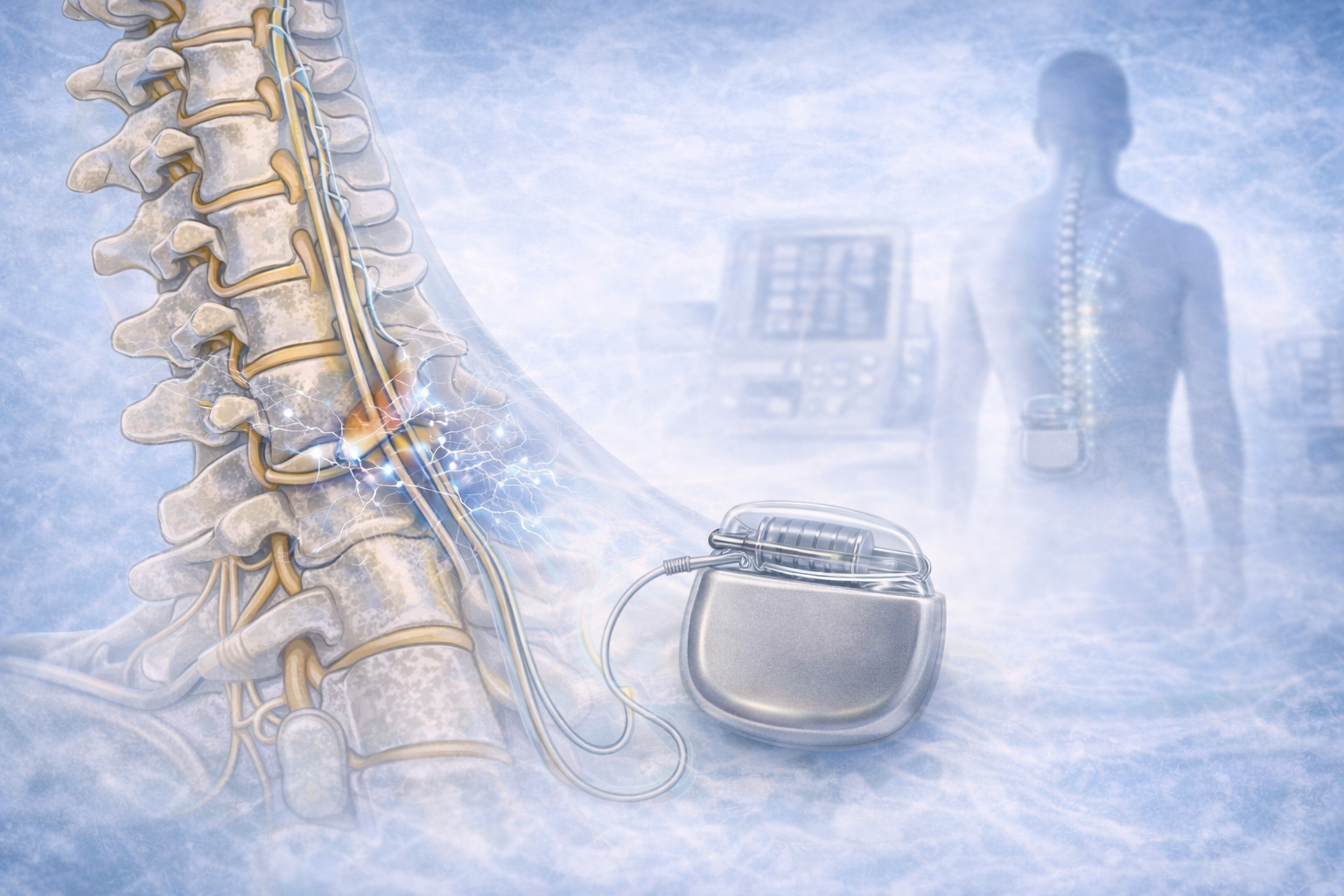
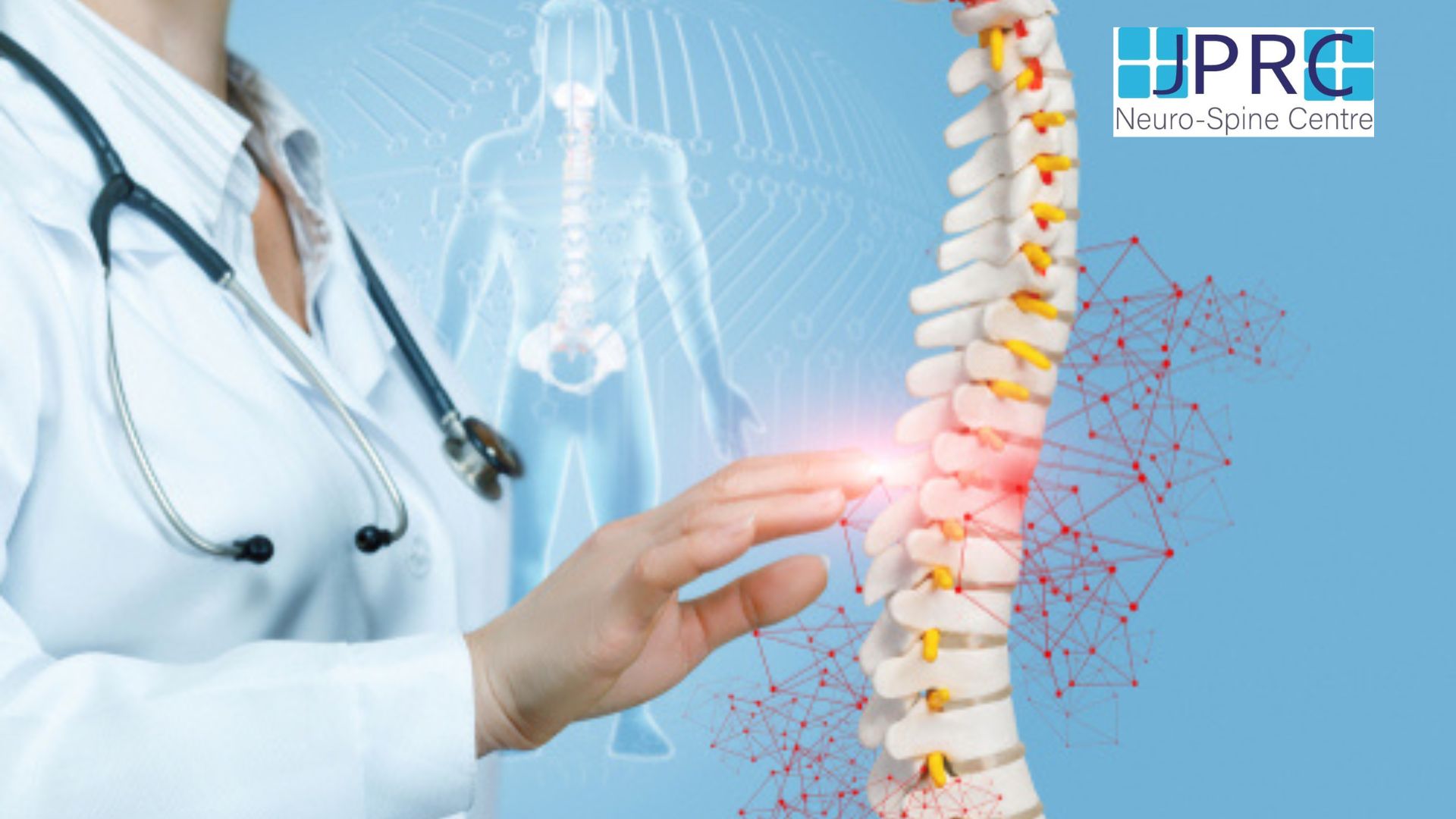
Minimally invasive spine surgery (MISS) represents a revolutionary advancement in the field of spinal care, offering patients a less invasive alternative to traditional open surgery. In this blog, we'll delve into what minimally invasive spine surgery is, how it works, and how it can benefit patients seeking effective treatment options at JPRC Neuro Spine Centre under the expertise of Dr. Sanjay Sharma.
Understanding Minimally Invasive Spine Surgery
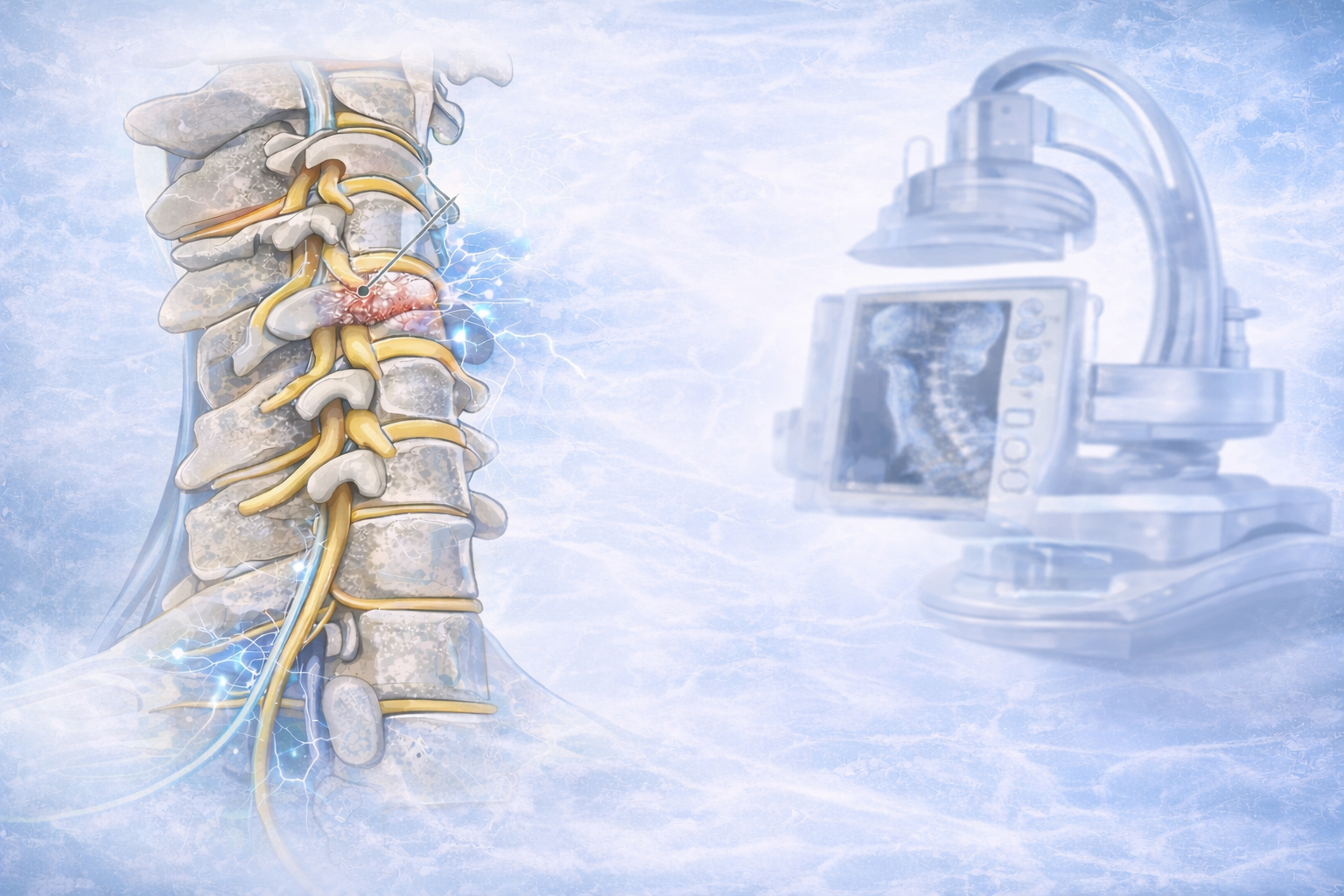
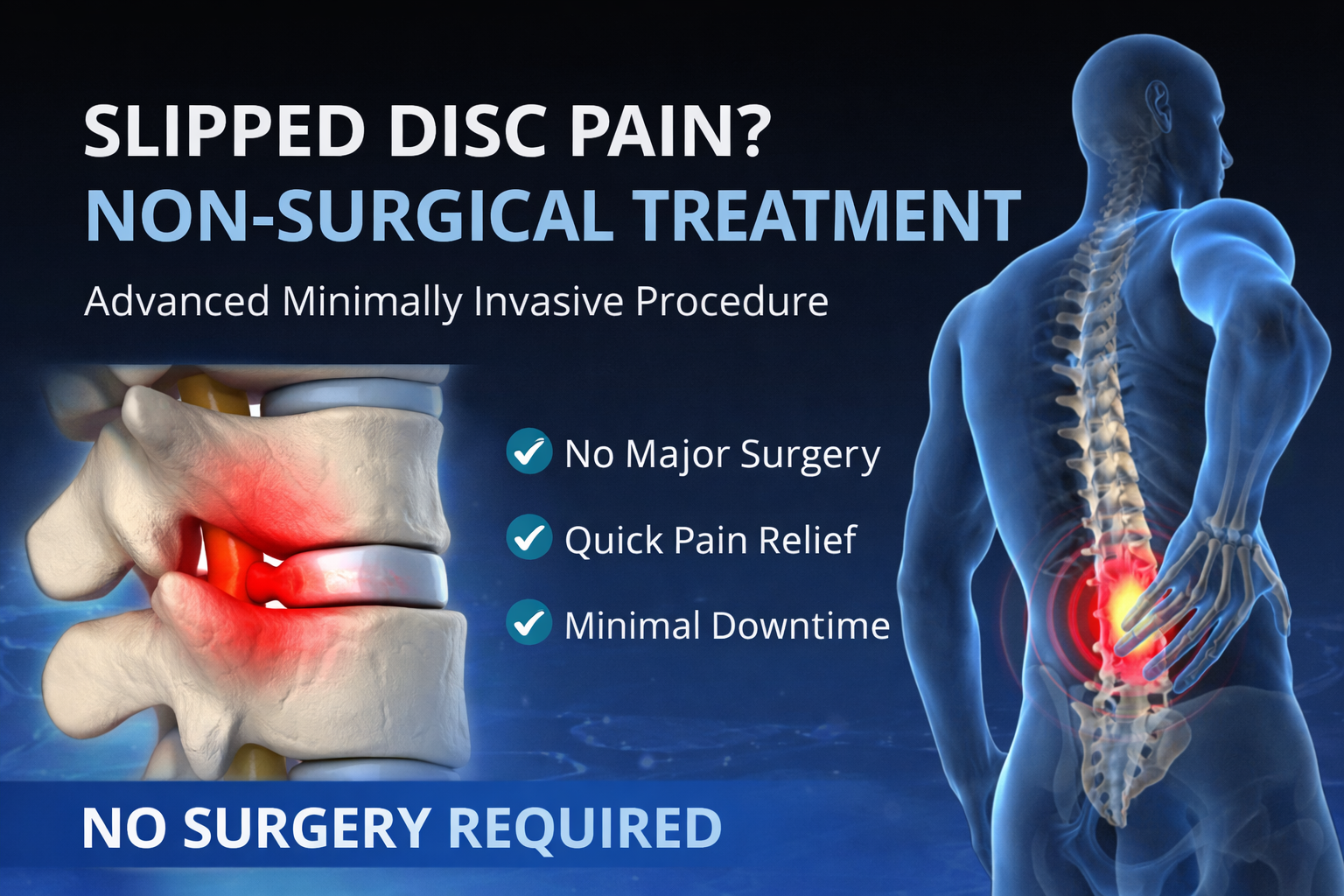
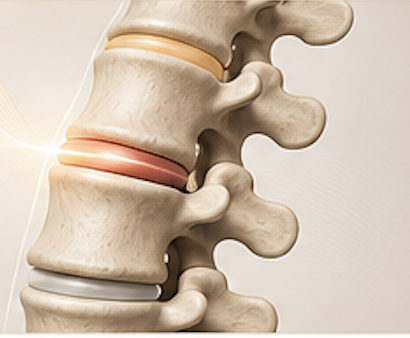
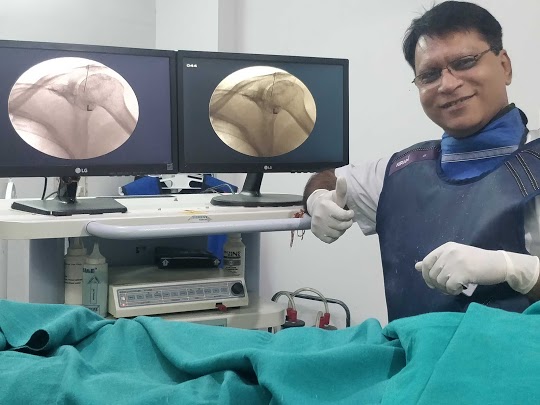
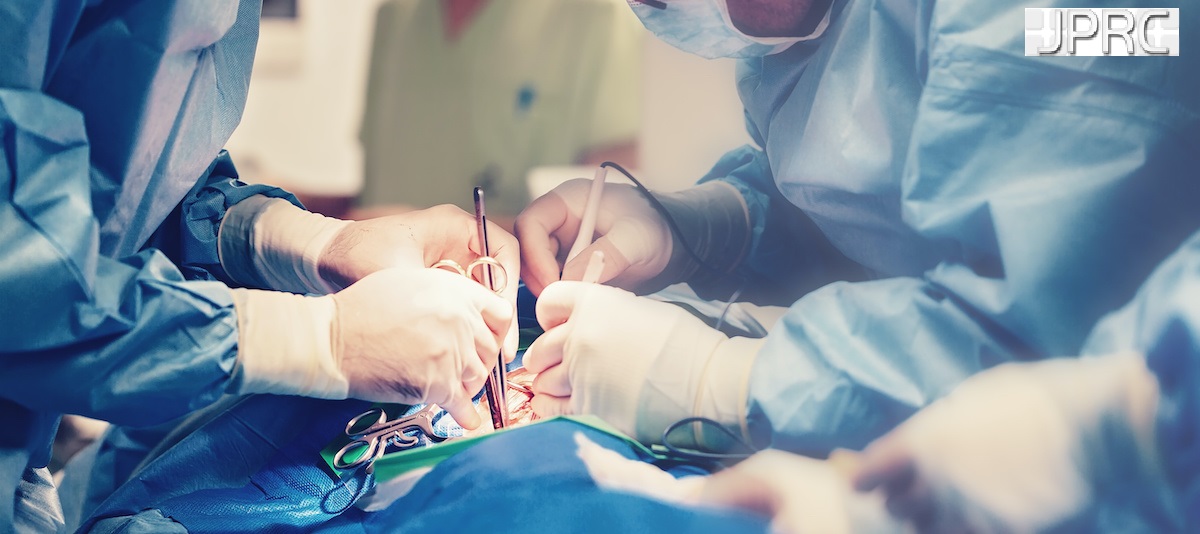
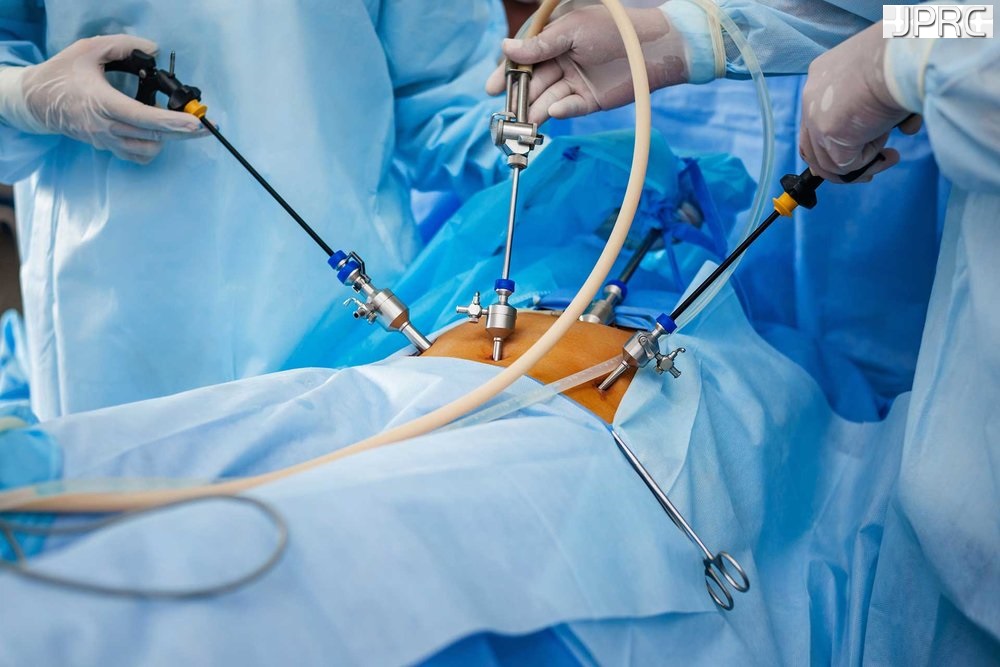
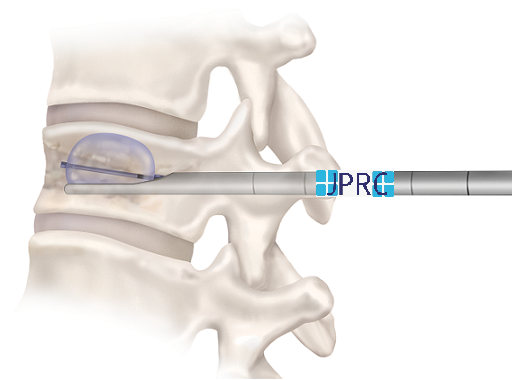
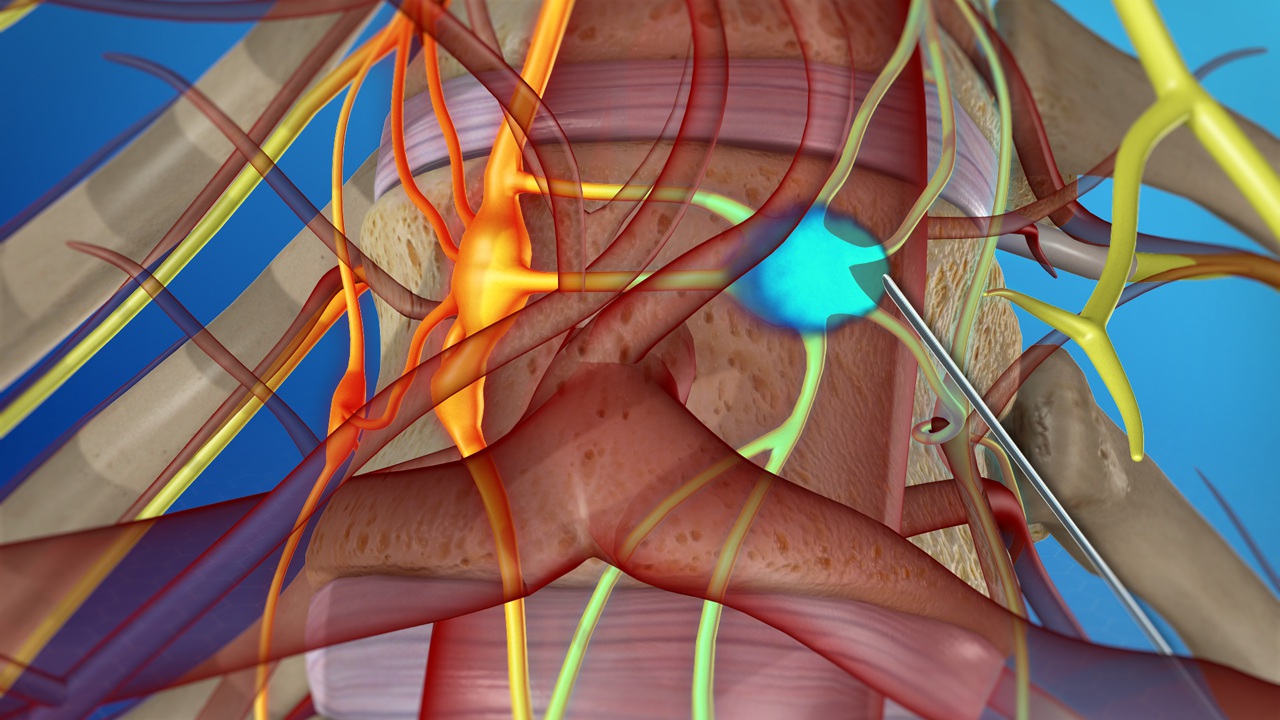
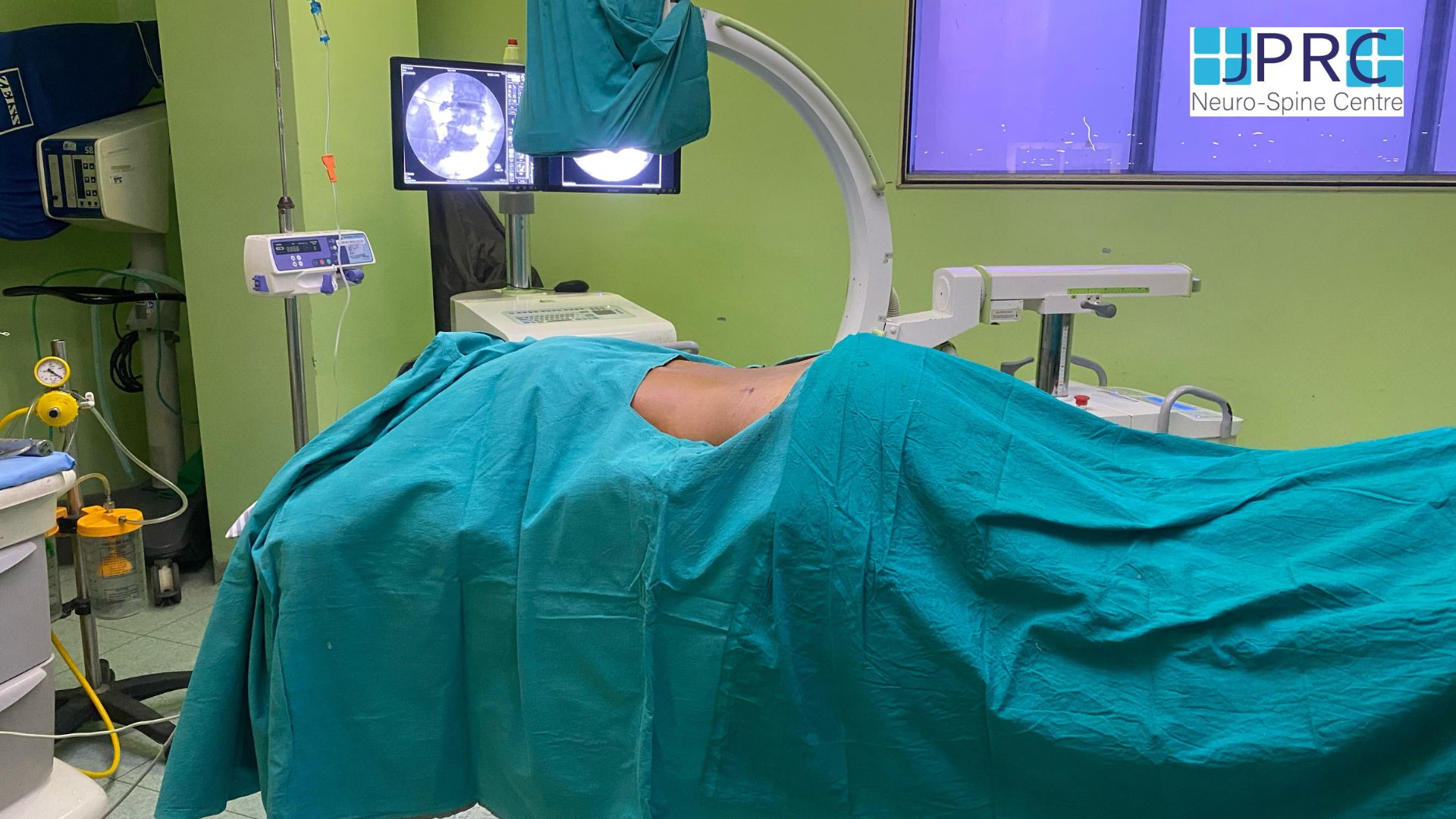
Minimally invasive spine surgery (MISS) involves the use of specialized techniques and instruments to perform surgical procedures on the spine with minimal disruption to surrounding tissues. Unlike traditional open surgery, which requires large incisions and extensive muscle dissection, MISS utilizes small incisions and advanced imaging technology to access the spine, resulting in less blood loss, reduced postoperative pain, shorter hospital stays, and faster recovery times.
Conditions Treated with Minimally Invasive Spine Surgery
Minimally invasive spine surgery can be used to treat a variety of spinal conditions, including:
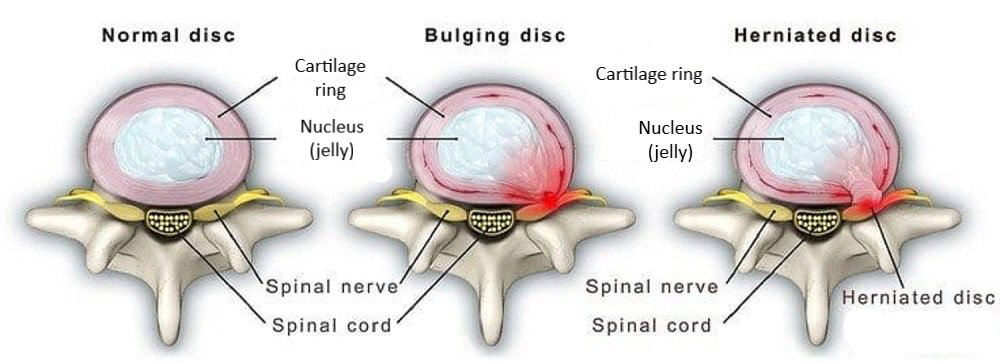
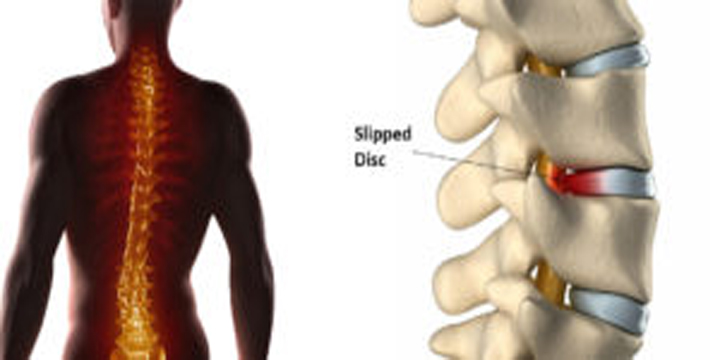
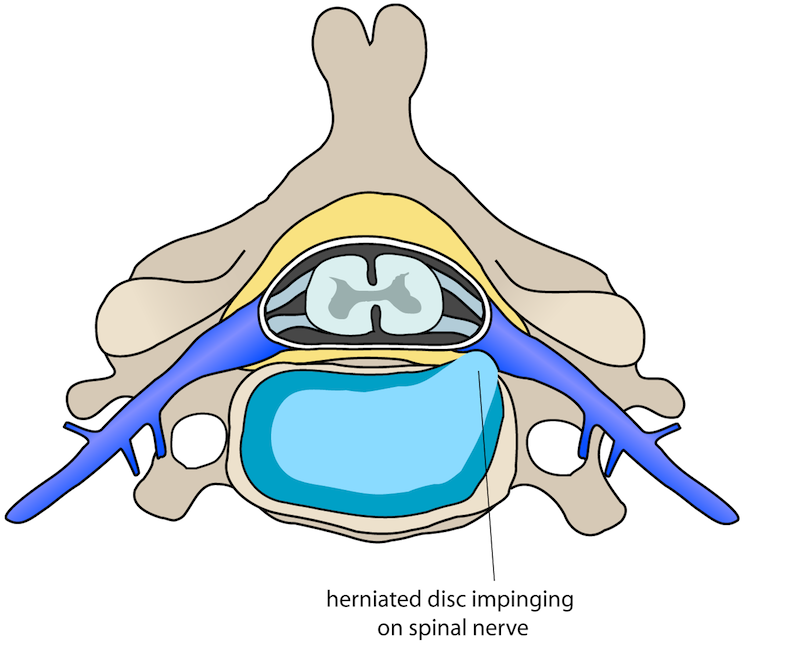
- Herniated discs
- Degenerative disc disease
- Spinal stenosis
- Spondylolisthesis
- Spinal deformities (such as scoliosis)
- Spinal tumors
- Failed back surgery syndrome
Benefits of Minimally Invasive Spine Surgery
Patients who undergo minimally invasive spine surgery at JPRC Neuro Spine Centre experience several benefits, including:
- Smaller Incisions: Minimally invasive techniques require smaller incisions, resulting in less damage to surrounding muscles and tissues.
- Reduced Blood Loss: The precise nature of minimally invasive surgery minimizes blood loss during the procedure, reducing the need for blood transfusions.
- Faster Recovery: Patients typically experience shorter hospital stays and faster recovery times compared to traditional open surgery, allowing them to return to their normal activities sooner.
- Less Postoperative Pain: Minimally invasive techniques are associated with less postoperative pain and discomfort, leading to improved patient satisfaction and overall outcomes.
Conclusion
Minimally invasive spine surgery represents a significant advancement in the field of spinal care, offering patients a safer, less invasive alternative to traditional open surgery. With the expertise of Dr. Sanjay Sharma and the advanced techniques available at JPRC Neuro Spine Centre, patients can benefit from the advantages of minimally invasive spine surgery and achieve relief from spinal conditions with minimal disruption to their lives. If you're considering spine surgery, schedule a consultation with Dr. Sanjay Sharma today to explore your options and take the first step toward a pain-free future.


































.jpg)








_Injection_Description_in_Hindi.jpg)












.jpg)









.jpg)


.jpg)
.jpg)
.jpg)






.jpg)
.jpg)
.jpg)
.jpg)
.jpg)
.jpg)
.jpg)
.jpg)
.jpg)
.jpg)
.jpg)
.jpg)
.jpg)
.jpg)
.jpg)
.jpg)
.jpg)
.jpg)
.jpg)
.jpg)
.jpg)
.jpg)






1.jpg)
1.jpg)
1.jpg)
1.jpg)
1.jpg)
1.jpg)
1.jpg)








2.jpg)
3.jpg)


4.jpg)
1.jpg)
2.jpg)

5.jpg)
6.jpg)


7.jpg)
2.jpg)

8.jpg)

9.jpg)
3.jpg)

10.jpg)

11.jpg)


12.jpg)
4.jpg)