Diagnosis & Treatments

Percutaneous Vertebroplasty (PVP) in Jaipur

Percutaneous vertebroplasty in Jaipur for painful vertebral compression fractures, selected malignant vertebral lesions and osteoporosis-related spine pain at JPRC.

Percutaneous Vertebroplasty (PVP) in Jaipur - What Happens and Why

Percutaneous vertebroplasty (PVP) is a minimally invasive, image-guided stabilization procedure used for painful vertebral compression fractures that do not respond to conservative treatment. PMMA bone cement is injected directly into the fractured vertebral body to improve structural stability and reduce pain.

At JPRC Neuro Spine Centre, selection is based on a clearly confirmed fracture, focal pain matching the vertebral level, imaging review and safety factors such as infection, bleeding risk and spinal cord compression.

Indications and patient selection for percutaneous vertebroplasty in Jaipur

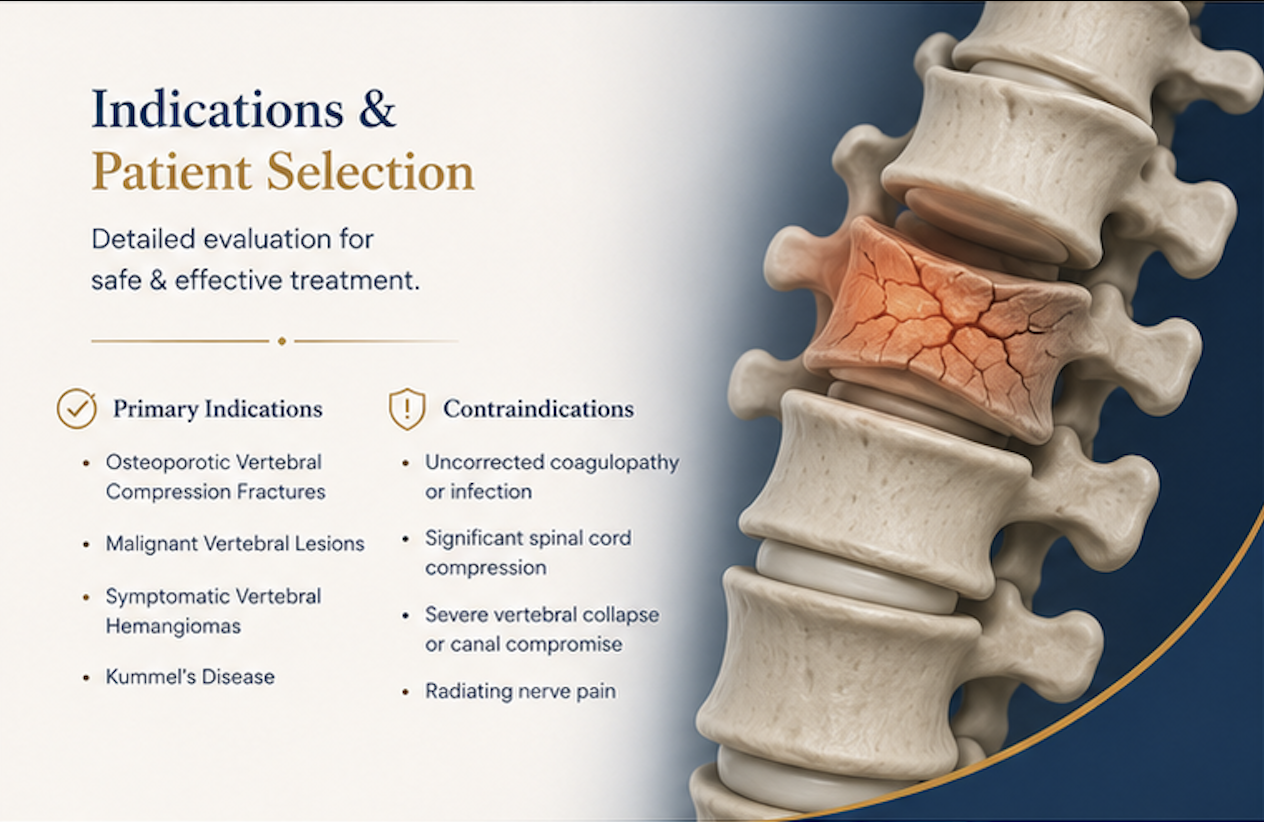
Who May Benefit From PVP?

PVP is reserved for carefully selected patients. The aim is immediate stabilization and pain relief without unnecessary open surgery.

  • Acute or subacute osteoporotic vertebral compression fracture with severe localized pain after a short trial of conservative care
  • Painful malignant vertebral lesion such as myeloma or metastasis when there is no major cord compression
  • Symptomatic vertebral hemangioma or Kummel disease in selected cases
  • Do not proceed when there is uncorrected coagulopathy, active infection, asymptomatic fracture or significant neural compression
Recovery and discharge after percutaneous vertebroplasty in Jaipur

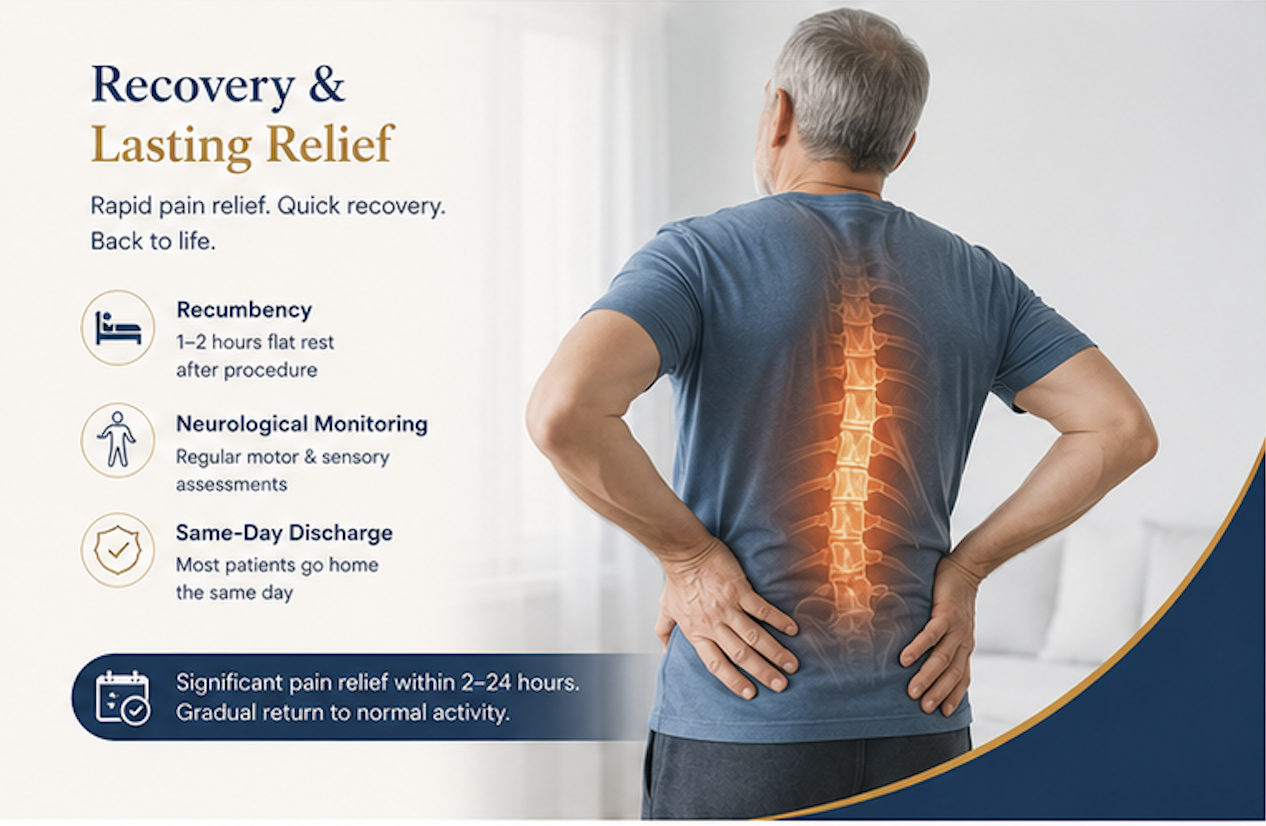
Recovery & Discharge

After cement hardens, the patient is monitored briefly for pain, movement and neurological status. Most suitable patients go home the same day with instructions to resume activity gradually.

  • Keep the patient flat or in recumbency for 1 to 2 hours after the procedure
  • Carry out frequent lower-limb motor and sensory checks in the immediate recovery period
  • Most patients feel significant pain relief within 2 to 24 hours
  • Mild oral analgesics and gradual return to activity are usually advised

Technical Treatment Procedure

The workflow moves from positioning and fluoroscopic targeting to needle placement, cement preparation, controlled injection and final trocar withdrawal.

  • Image-guided precision with real-time fluoroscopy
  • Needle tip placed safely within the vertebral body
  • Cement injected only when viscosity and position are appropriate
Technical treatment procedure for percutaneous vertebroplasty in Jaipur
01

Why Does It Happen?

  • Osteoporosis causing fragile vertebral bones and compression fractures
  • Cancer-related destruction of the vertebral body, including myeloma or metastasis
  • Minor fall, bending, coughing or lifting strain on weak bone
  • Post-traumatic avascular necrosis / Kummel disease with non-healing painful pseudoarthrosis
02

When It Is Considered

  • Severe localized, non-radiating back pain corresponding to a confirmed vertebral fracture
  • Pain that does not improve meaningfully after 2-3 weeks of conservative management
  • Difficulty standing, walking or changing posture because of fracture pain
  • Pain pattern that matches a recent or clearly defined vertebral compression fracture

Image-Guided Procedural Steps

PVP is performed in a sterile operating room using continuous high-resolution fluoroscopy or CT guidance so the needle path and cement delivery remain precise.

Patient Positioning & Anesthesia

The patient lies prone on a radiolucent operating table with chest rolls to support positioning. The procedure is typically done with monitored anesthesia care and local anesthetic so the patient remains comfortable and neurological feedback can be monitored.

Target Identification

True AP and lateral fluoroscopic views are aligned until the endplates are crisp and the pedicles are symmetric. This maps the transpedicular route to the target vertebra.

Needle Advancement

A bone biopsy needle or trocar is advanced through the pedicle under image guidance. On lateral views, the tip is directed into the anterior third of the vertebral body while avoiding the canal and medial wall.

Cement Preparation & Monitoring

PMMA cement is mixed with a radiopaque opacifier and allowed to become highly viscous. It is injected slowly under continuous visualization, with immediate stopping if cement approaches the posterior wall, epidural space or venous plexus.

Cement Delivery Safeguards

The core of PVP is careful cement delivery. The goal is a stable fill with minimal leakage risk and immediate support to the fractured vertebra.

  • Use fluoroscopic guidance throughout the injection so the cement column is visible at all times
  • Stop injection immediately if cement nears the posterior vertebral wall or unwanted vascular/epidural spaces
  • Typical cement volume is about 2.5 to 4.5 mL in lumbar vertebrae and slightly less in thoracic levels
  • Withdraw the trocar only after adequate filling is confirmed and the cement tail is cleanly broken

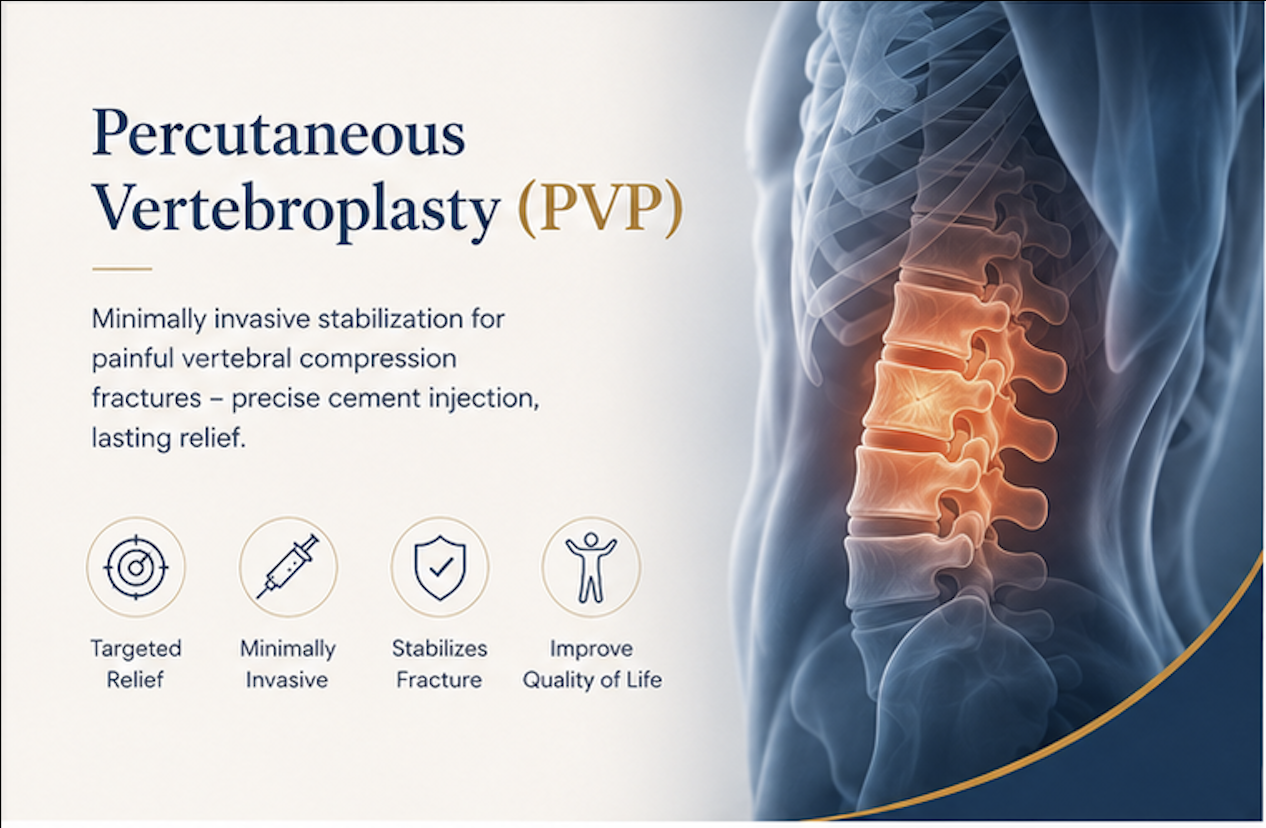
Advantages of Percutaneous Vertebroplasty

For carefully selected patients, PVP can rapidly stabilize a painful vertebral fracture and make movement easier again.

  • Immediate structural stabilization of the fractured vertebra
  • Rapid pain relief in many suitable patients
  • Small incision and minimally invasive image-guided technique
  • Usually short recovery and same-day discharge in appropriate cases
  • May help patients return to normal activity earlier
  • Useful when conservative care has not given enough relief

Do Not Ignore These Warning Signs

These signs may indicate a serious problem and should be evaluated urgently instead of waiting for routine consultation.

  • New or worsening weakness, foot drop, or difficulty walking
  • Loss of bladder or bowel control, numbness around the private area, or severe neurological symptoms
  • Fever, unexplained weight loss, history of cancer, major trauma, or sudden severe pain

Common Questions

What is percutaneous vertebroplasty (PVP)?

Percutaneous vertebroplasty is a minimally invasive, image-guided procedure in which PMMA bone cement is injected into a painful fractured vertebra to improve stability and reduce pain.

Who is usually a candidate for PVP?

Selected patients with painful osteoporotic vertebral compression fractures, certain malignant vertebral lesions, vertebral hemangioma or Kummel disease may benefit when conservative treatment is not enough and there is no major cord compression or active infection.

How is the cement kept safe during the procedure?

The procedure is done under continuous fluoroscopic or CT guidance. Cement is prepared to a viscous consistency and injected slowly, with injection stopped immediately if there is any sign of leakage toward the spinal canal or vessels.

Is recovery usually quick after PVP?

Many suitable patients feel pain relief within 2 to 24 hours and can go home the same day after observation, neurological checks and brief recovery monitoring.

Need a Pain Specialist Opinion?

Bring your reports or share your symptoms with JPRC Neuro Spine Centre, Jaipur.

Are You Experiencing

These Symptoms?

Don’t ignore the signs your spine is trying to tell you. Early evaluation can help you avoid surgery and get back to life.

Get Your MRI Reviewed
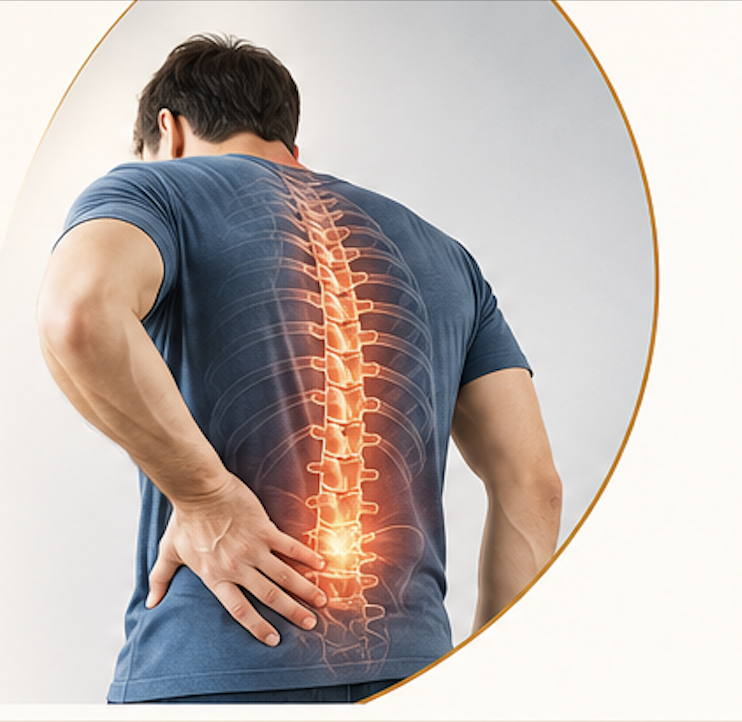
Patient holding lower back in pain
Chronic Back or Leg Pain?
Tingling, Numbness or Weakness?
Difficulty Walking or Sitting?
Recurring Sciatica or Slip Disc Pain?
Surgery Recommended?
Pain Relief Only Temporary?

Before Considering Surgery,

Explore Advanced Minimally Invasive Options

Most patients come to us after medicines, physiotherapy and injections have failed.

Book Consultation
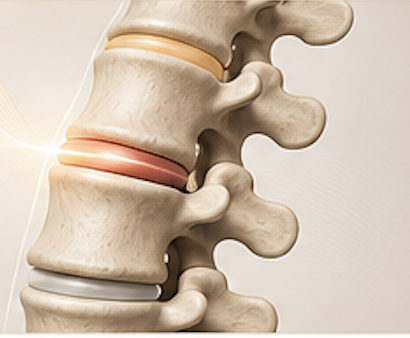
Spine treatment visual

Why Patients Choose JPRC

Why Patients Choose JPRC

30,000+ Patients Treated
35+ Years Experience
No Surgery Approach
Same-Day Procedures

Treatment Benefits

Advanced Spine Treatment Advantages

Image Guided Precision using advanced imaging technology
Minimally Invasive Small incision, less pain, minimal risk
Day Care Procedure Go home the same day in most cases
Rapid Pain Relief Get back to your life sooner

PATIENT SUCCESS STORIES

Patient Success Stories

Hear directly from patients who found relief through advanced minimally invasive pain treatments at JPRC.