Diagnosis & Treatments

Failed Back Surgery Syndrome Treatment in Jaipur

Failed Back Surgery Syndrome treatment in Jaipur for persistent pain after spine surgery with diagnosis, Racz adhesiolysis, neuroplasty, RFA, nerve blocks and neurostimulation options at JPRC.

Failed Back Surgery Syndrome Treatment in Jaipur - What Happens and Why

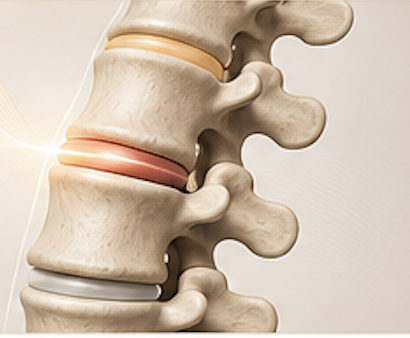
Failed Back Surgery Syndrome (FBSS) refers to persistent or recurrent back pain, leg pain or nerve pain even after spine surgery. It does not always mean the surgery was technically wrong. Pain can continue because of epidural fibrosis, recurrent disc herniation, nerve injury, spinal instability, facet joint pain, adjacent segment degeneration or more than one pain generator.

FBSS is also known as post-laminectomy syndrome or Persistent Spinal Pain Syndrome (PSPS). At JPRC Neuro Spine Centre, the first step is not another blind procedure. Dr. Sanjay Sharma evaluates the previous surgery, current symptoms, MRI findings and functional limitation to identify the true pain source.

Image-guided interventional pain management for failed back surgery syndrome in Jaipur

Pain After Surgery Does Not Always Mean Another Surgery

Many patients reach JPRC saying, "surgery failed." In reality, persistent pain after spine surgery needs fresh diagnosis. Advanced interventional pain management can help selected FBSS patients regain comfort and function without unnecessary repeat surgery.

  • Persistent back pain or leg pain after surgery needs pain-source mapping
  • Scar tissue around nerves can be treated with selected minimally invasive techniques
  • Repeat surgery is considered only when imaging and examination show a clear surgical cause
  • Rehabilitation and functional recovery are part of long-term FBSS care

Understanding Pain After Spine Surgery

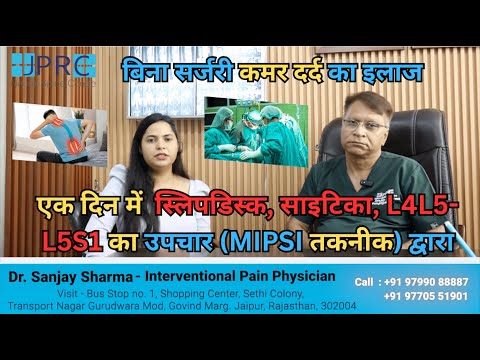
This video explains why pain may continue after spine surgery and why every patient should be evaluated before planning redo surgery. At JPRC, FBSS care focuses on diagnosis first, then targeted options such as adhesiolysis, neuroplasty, RFA, nerve blocks or neurostimulation where suitable.

  • Helpful for patients told that repeat surgery may be needed
  • Explains why scar tissue, nerve irritation or a missed pain generator can cause persistent pain
  • Supports the message that proper diagnosis comes before redo surgery
01

Why Does It Happen?

  • Residual or recurrent disc herniation causing fresh nerve compression after surgery
  • Epidural fibrosis or scar tissue forming around spinal nerves and limiting nerve mobility
  • Persistent nerve damage after long-standing compression before surgery
  • Spinal instability, facet joint pain, adjacent segment degeneration or hardware-related irritation
  • Incorrect, missed or multiple pain generators where the original pain source was not fully identified
02

Common Symptoms

  • Persistent low back pain, burning pain or aching pain after spine surgery
  • Sciatica-like leg pain, tingling, numbness, electric-shock sensation or leg weakness
  • Pain during sitting, standing, walking or daily activity after initial recovery
  • Sleep disturbance, reduced mobility, anxiety or low mood due to chronic pain

How FBSS Is Diagnosed at JPRC

A correct diagnosis is the most important step in Failed Back Surgery Syndrome. The evaluation connects symptoms, previous surgery details, neurological findings and updated reports before deciding whether Racz adhesiolysis, neuroplasty, RFA, neurostimulation or another option is suitable.

Clinical Evaluation

Pain location, previous surgery details, neurological symptoms, walking capacity, sleep, medication use and daily functional limitation are assessed in detail.

MRI Spine with Contrast

Contrast MRI can help differentiate epidural fibrosis or scar tissue from recurrent disc prolapse, nerve compression or inflammatory changes.

CT Scan and Dynamic X-Ray

CT helps assess bone, implants and fusion status. Flexion-extension X-rays may be used to check spinal instability in selected patients.

EMG and Nerve Studies

Nerve conduction studies or EMG may be used when persistent nerve injury, radiculopathy or neuropathic pain needs further clarification.

FBSS Treatment Options

Interventional pain management plays a major role in FBSS and may help avoid repeat surgery in selected patients. The plan is chosen only after clinical examination, report review and identification of the dominant pain generator.

  • Epidural Adhesiolysis / Racz Neuroplasty - A minimally invasive procedure used in selected patients to release scar tissue around spinal nerves and deliver medication near the painful area
  • Epidural Steroid Injection - Helps reduce inflammation around irritated spinal nerves when imaging and symptoms match
  • Transforaminal Nerve Root Block - A targeted injection for radiating leg pain, sciatica-like symptoms or a specific irritated nerve root
  • Facet Joint Injection and Medial Branch Block - Used when post-surgical back pain is coming from painful facet joints
  • Radiofrequency Ablation (RFA) - Blocks selected pain signals for longer-duration relief in suitable facet or nerve-mediated pain patterns
  • Spinal Cord Stimulation / Neurostimulation - Advanced therapy for selected chronic FBSS patients with persistent nerve pain, multiple failed surgeries or high medication dependence
  • Trigger Point Injection - Helps secondary muscle spasm and myofascial pain that often develops around chronic spine pain
  • Rehabilitation and Physiotherapy - Core strengthening, mobility training, posture correction and functional rehabilitation for long-term recovery

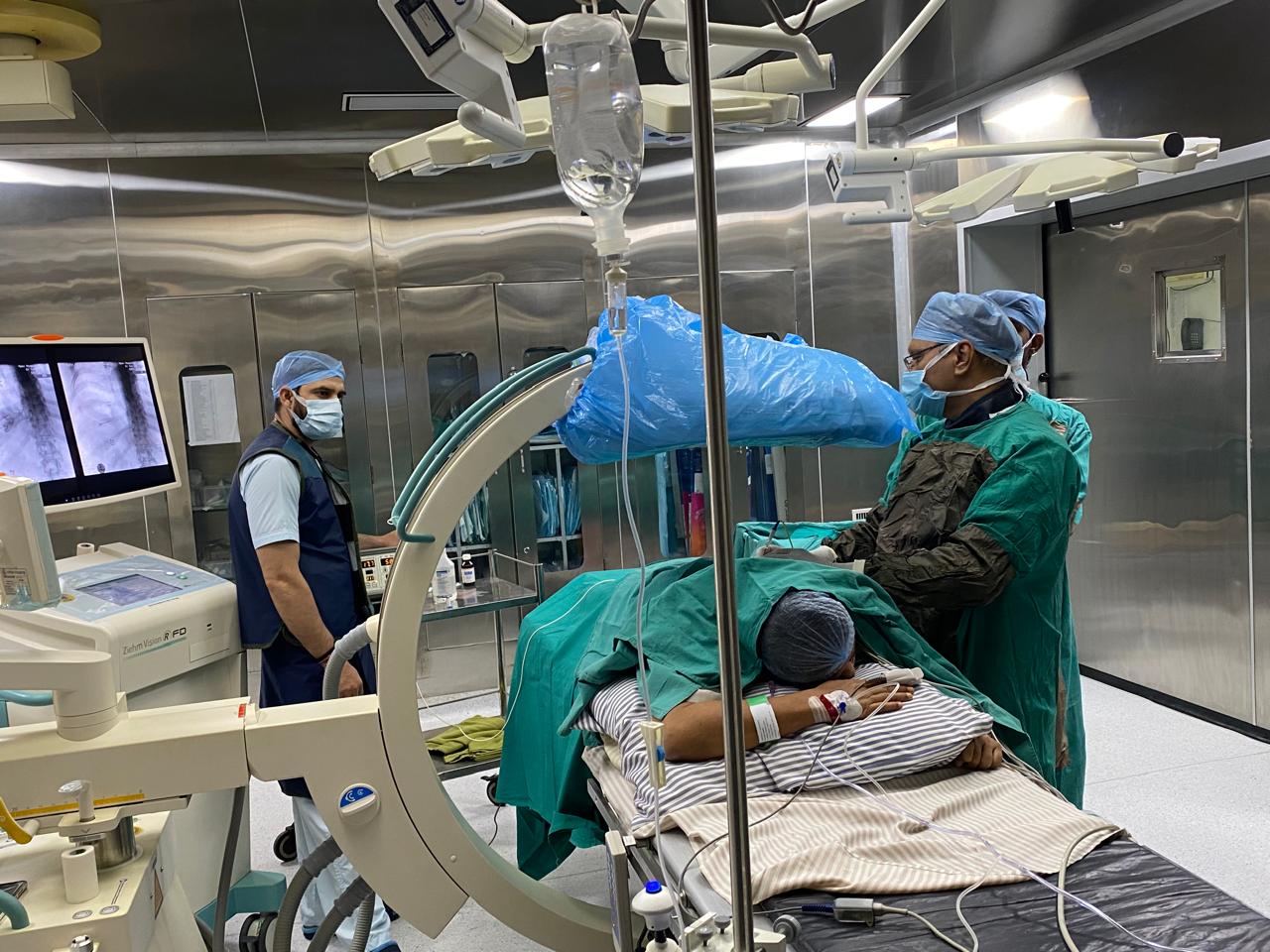
Advantages of Interventional Pain Management in FBSS

For selected patients, interventional pain management can target the pain generator more precisely than repeated general medication. The goal is to reduce pain, improve function and avoid unnecessary repeat surgery wherever clinically safe.

  • Minimally invasive, image-guided procedures in selected cases
  • Targeted pain relief around the irritated nerve, scar tissue or painful joint
  • May reduce long-term painkiller or opioid dependence
  • Day-care or faster recovery options for suitable procedures
  • Improved walking, sleep, activity and quality of life with rehabilitation support
  • Repeat surgery is reserved for clearly proven structural problems

Do Not Ignore These Warning Signs

These signs may indicate a serious problem and should be evaluated urgently instead of waiting for routine consultation.

  • New or worsening leg weakness, foot drop, numbness spreading quickly, or difficulty walking after spine surgery
  • Loss of bladder or bowel control, numbness around the private area, or severe neurological symptoms
  • Fever, wound discharge, severe unexplained back pain, or suspected infection after previous surgery
  • Sudden severe back or leg pain after a fall, trauma, or new injury

Common Questions

Does failed back surgery syndrome mean the surgery was done wrongly?

Not always. FBSS means pain persists or returns after spine surgery. The reason may be scar tissue, recurrent disc herniation, nerve damage, instability, facet pain, adjacent segment degeneration, or another pain source that needs fresh evaluation.

Can FBSS be treated without another major surgery?

Many selected patients can be managed with interventional pain management such as epidural adhesiolysis, Racz neuroplasty, targeted nerve root blocks, facet procedures, RFA, rehabilitation, or neurostimulation. Repeat surgery is considered only when a clear surgical problem is present.

What is Racz adhesiolysis or neuroplasty?

Racz adhesiolysis, also called epidural adhesiolysis or neuroplasty, is a minimally invasive procedure used in selected patients to release scar-tissue adhesions around irritated spinal nerves and deliver medication closer to the painful area.

When is spinal cord stimulation considered for FBSS?

Spinal cord stimulation or neurostimulation may be considered in selected chronic FBSS patients when nerve pain persists despite appropriate treatment, multiple surgeries have failed, or long-term medication dependence is becoming a concern.

Need a Pain Specialist Opinion?

Bring your reports or share your symptoms with JPRC Neuro Spine Centre, Jaipur.

Are You Experiencing

These Symptoms?

Don’t ignore the signs your spine is trying to tell you. Early evaluation can help you avoid surgery and get back to life.

Get Your MRI Reviewed
Patient holding lower back in pain
Chronic Back or Leg Pain?
Tingling, Numbness or Weakness?
Difficulty Walking or Sitting?
Recurring Sciatica or Slip Disc Pain?
Surgery Recommended?
Pain Relief Only Temporary?

Before Considering Surgery,

Explore Advanced Minimally Invasive Options

Most patients come to us after medicines, physiotherapy and injections have failed.

Book Consultation
Spine treatment visual

Why Patients Choose JPRC

Why Patients Choose JPRC

30,000+ Patients Treated
35+ Years Experience
No Surgery Approach
Same-Day Procedures

Treatment Benefits

Advanced Spine Treatment Advantages

Image Guided Precision using advanced imaging technology
Minimally Invasive Small incision, less pain, minimal risk
Day Care Procedure Go home the same day in most cases
Rapid Pain Relief Get back to your life sooner

PATIENT SUCCESS STORIES

Patient Success Stories

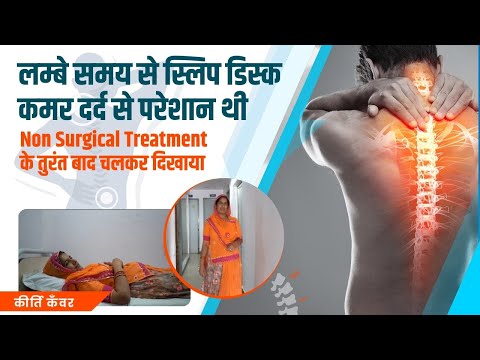
Hear directly from patients who found relief through advanced minimally invasive pain treatments at JPRC.