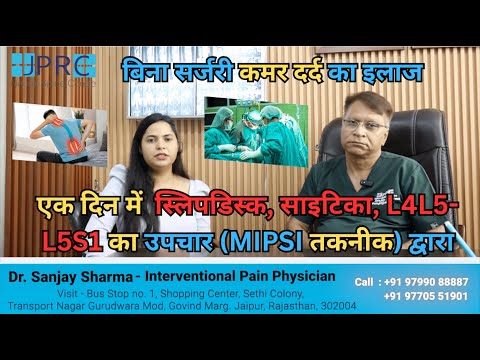
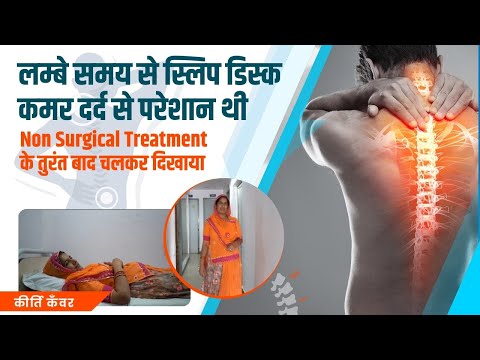
 Slip Disc
 Sciatica
 Chronic Back Pain
 Knee Pain
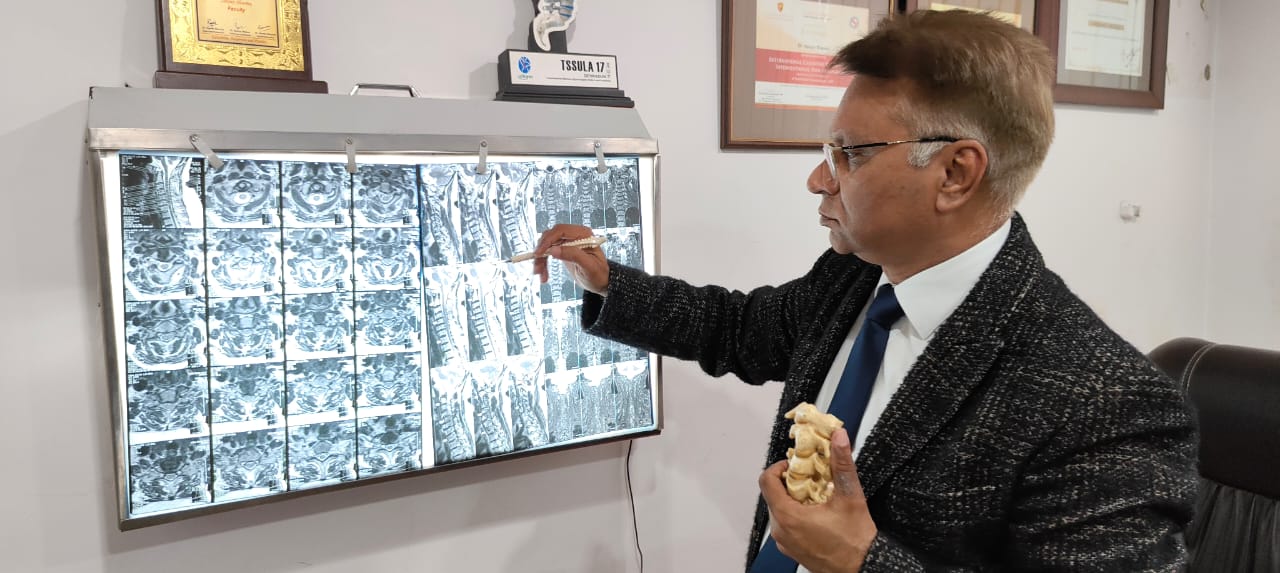 MIPSI Treatment
Symptoms
- Electric shock-like facial pain on one side of the face
- Pain triggered by speaking, chewing, washing the face, or a light breeze
- Sudden clusters of sharp attacks lasting seconds to minutes

Redefining Spine Care
Advanced minimally invasive treatment for severe facial nerve pain with Dr. Sanjay Sharma at JPRC Neuro Spine Centre.
Safe. Effective. Non-Surgical.

Patient Guide
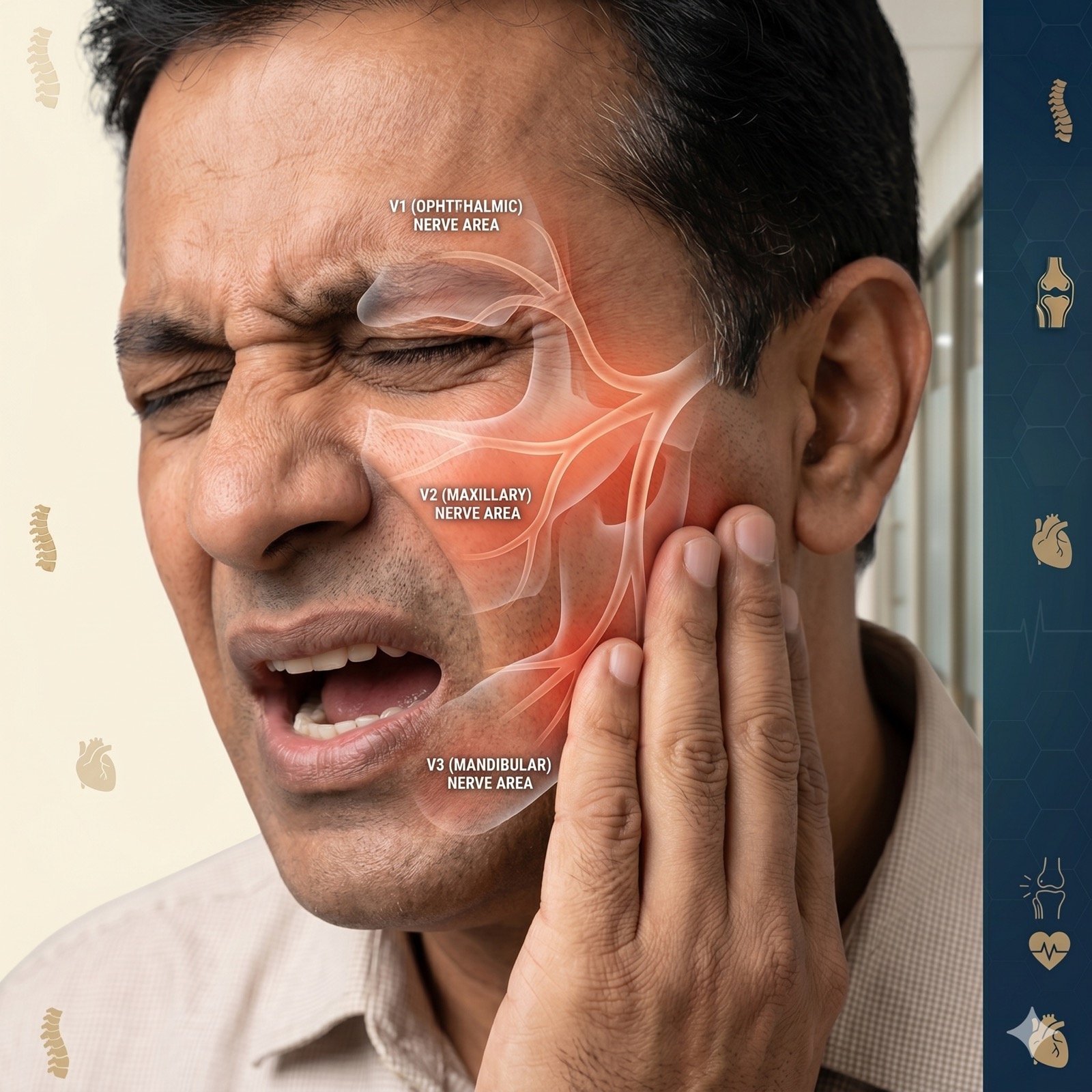
At JPRC Neuro Spine Centre, trigeminal neuralgia management is focused on rapid and long-term relief through advanced minimally invasive techniques that help many patients avoid major intracranial surgery. The condition often affects the ophthalmic (V1), maxillary (V2), or mandibular (V3) branches of the trigeminal nerve and can produce sudden, shock-like facial pain.
Meet Your Doctor
Interventional Pain Physician (Algologist)
JPRC Neuro Spine Centre provides focused spine, joint and nerve pain care in Jaipur. If you are looking for a spine specialist Jaipur, the consultation focuses on clinical examination, report review and a treatment plan that avoids surgery whenever suitable.
Understanding the Condition
In nearly 80 to 90 percent of cases, an artery or vein compresses the Trigeminal Nerve (Cranial Nerve V) near the base of the brain. Over time, that pressure wears away the myelin sheath and makes the nerve unstable.
In some patients, trigeminal neuralgia may be linked to multiple sclerosis, tumors, prior facial trauma, or surgical injury. In a smaller group, no clear structural cause is identified even after imaging.
Once the insulation is damaged, the nerve can start short-circuiting. Even light contact may be interpreted by the brain as a massive electric shock, which explains why routine activities can trigger intense facial pain.
Clinical Symptoms
The hallmark symptom is sudden, sharp, stabbing pain following one or more branches of the trigeminal nerve, including the ophthalmic (V1), maxillary (V2), or mandibular (V3) distribution. A single episode may last a few seconds to around two minutes.
Pain is often triggered by shaving, applying makeup, brushing teeth, chewing, drinking, washing the face, speaking, or even a light breeze touching the skin.
After one pain burst there may be a short refractory period when the same trigger does not immediately provoke another attack. Over time, attacks may become more frequent and a dull ache between sharp episodes can intensify.
Specialized Management at JPRC
When medicines stop providing lasting relief or begin causing side effects such as dizziness or lethargy, Dr. Sanjay Sharma uses interventional pain management to target the source of the pain directly. At JPRC, the primary intervention is radiofrequency ablation of the Gasserian ganglion, designed to silence the pain pathway without major brain surgery.
Treatment Pathways
The right intervention depends on the patient's pain pattern, medication response, MRI findings, overall health, and treatment goals. Some procedures are minimally invasive and designed for rapid recovery, while others are more definitive but more invasive.
| Procedure | Invasiveness | Recovery Time | Key Benefit |
|---|---|---|---|
| Percutaneous Rhizotomy / RFA | Low (Needle) | 1 to 2 days | Immediate relief and day-care recovery |
| Glycerol Rhizolysis / Balloon Compression | Low (Needle / Balloon) | 1 to 2 days | Useful percutaneous options in selected patients |
| Microvascular Decompression (MVD) | High (Surgery) | 2 to 4 weeks | Longest-lasting option and addresses vascular compression |
| Gamma Knife Radiosurgery | None (Radiation) | Same-day discharge; relief may take weeks to months | No incision and useful for selected elderly or high-risk patients |
Pain management for trigeminal neuralgia is highly individualized. While these interventions can offer strong relief, every patient still needs proper selection, follow-up, and monitoring for numbness, recurrence, or rare side effects such as anesthesia dolorosa.
At JPRC, the goal is not only to suppress pain but to restore the patient's confidence, comfort, and quality of life. Dr. Sanjay Sharma combines clinical expertise with advanced minimally invasive technology to offer a safer alternative to lifelong medication or high-risk intracranial surgery. If you are experiencing sudden electric facial pain, early intervention can help prevent worsening clusters and reduce dependence on high-dose medicines.
Simple activities like talking, chewing, brushing teeth, or even touching the face can trigger sudden, severe pain.
Yes. Many patients experience significant relief through nerve blocks, radiofrequency treatments, and other minimally invasive options.
Yes. MIPSI procedures are safe, precise, and performed under imaging guidance, ensuring high accuracy and minimal risk.
Most procedures are completed within 20-45 minutes and are usually done on a daycare basis.
Get expert advice before surgery at JPRC Neuro Spine Centre, Jaipur.
Are You Experiencing
Don’t ignore the signs your spine is trying to tell you. Early evaluation can help you avoid surgery and get back to life.
Get Your MRI Reviewed
Before Considering Surgery,
Most patients come to us after medicines, physiotherapy and injections have failed.
Why Patients Choose JPRC
Treatment Benefits
PATIENT SUCCESS STORIES
Hear directly from patients who found relief through advanced minimally invasive pain treatments at JPRC.